Japan’s Natural Wonders: Stunning Landscapes, Sacred Sites, and Vegan-Friendly Adventures
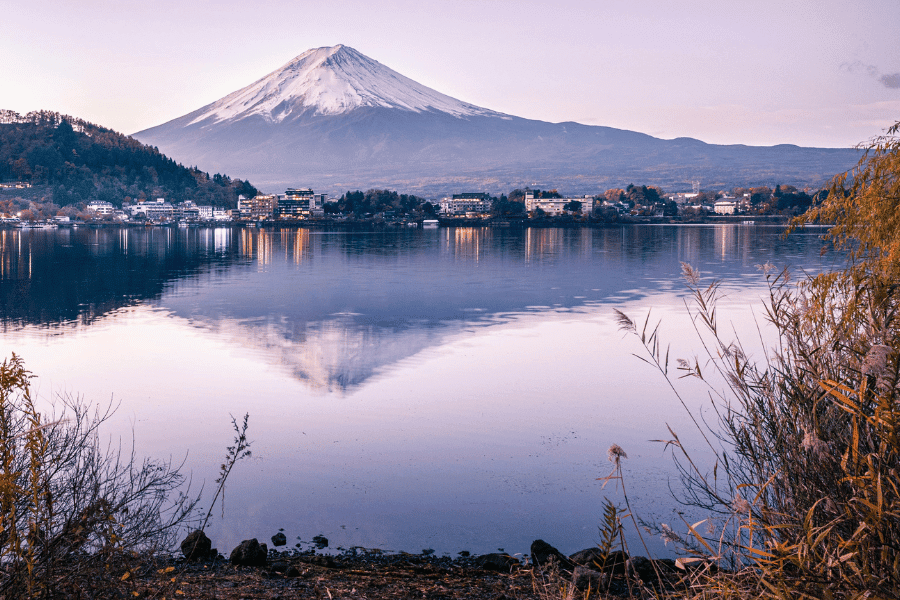
From snow-capped peaks and dense forests to subtropical islands and crystal-clear waters, Japan’s natural wonders stretch far beyond neon-lit cities and bullet trains. The Japanese archipelago, shaped by active volcanoes, ocean currents, and centuries of reverence for nature, is filled with some of the most beautiful places on Earth with many of them deeply tied to the country’s rich history and spiritual traditions.
Whether it’s your first time visiting or a return trip for nature lovers and outdoor enthusiasts, Japan offers a unique opportunity to explore landscapes that feel almost untouched by human hands.
Mount Fuji and the Lakes Region: Japan’s Sacred Mountain
Standing proudly as the highest mountain in Japan, Mount Fuji (or Mt. Fuji) is both a popular destination and a deeply sacred mountain. Located between Shizuoka Prefecture and Yamanashi, it’s one of the most iconic natural attractions in the world and a designated UNESCO World Heritage Site.
The surrounding lakes region, especially Lake Kawaguchi, offers some of the best places for scenic views without hiking the summit. From the observation deck near the lake or the famous Chureito Pagoda, visitors are rewarded with postcard-perfect scenes, especially during cherry blossom season.
Best time to visit: Spring for cherry blossoms, or late October for autumn colors
Getting around: Trains from central Tokyo, plus local buses
Vegan tip: Kawaguchiko has multiple vegan-friendly cafés and tofu-focused meals
Where to Stay in Mount Fuji & Lake Kawaguchi (Fuji Five Lakes, Shizuoka / Yamanashi)
Budget
-
Super Hotel Fuji Kawaguchiko – Simple, clean, close to transport
-
K’s House Fuji View – Social, affordable, great Mt. Fuji views
-
Kagelow Mt. Fuji Hostel – Stylish budget option near Kawaguchiko
Mid-Range
-
Fuji Lake Hotel – Comfortable rooms with lake access
-
Lakeland Hotel Mizunosato – Traditional feel with good views
-
La Vista Fuji Kawaguchiko – European-style comfort, onsen access
Luxury
-
Konanso Ryokan – Private baths, direct Mt. Fuji views
-
HOSHINOYA Fuji – Glamping-style luxury in nature
-
FUFU Kawaguchiko – Modern ryokan with private onsen
Nikko National Park: Sacred Forests and Waterfalls
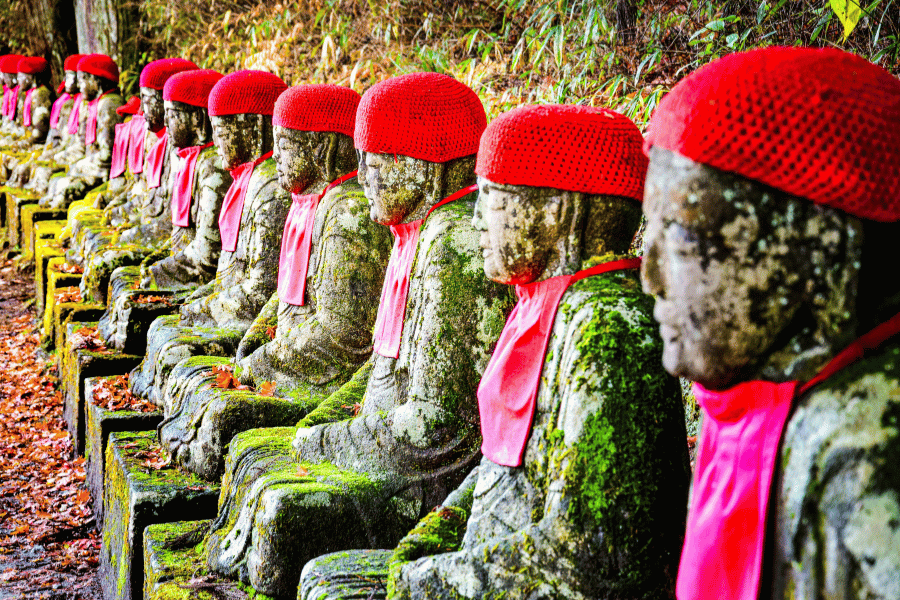
Just north of Tokyo, Nikko National Park is a must-visit destination blending lush forests, sacred architecture, and dramatic waterfalls. The area’s pine trees, misty mountains, and ancient shrines feel watched over by a quiet, almost watchful eye.
Nearby Lake Towada and Oirase Gorge in Aomori Prefecture showcase flowing rivers, moss-covered rocks, and the famous Oirase Stream, which follows a gentle walking trail perfect for all fitness levels.
Best time: Autumn foliage or early summer
Outdoor activities: Hiking, photography, waterfall walks
Vegan tip: Temple shōjin-ryōri (Buddhist cuisine) is naturally vegan most of the time
Where to Stay in Nikko National Park (Tochigi Prefecture)
Budget
-
Nikko Park Lodge Tobu Station – Great value and location
-
Gasthof Ami – Friendly, cozy, budget European-style lodge
-
Nikko Guesthouse Sumica – Simple, affordable rooms
Mid-Range
-
Nikko Station Hotel Classic – Comfortable and central
-
Hotel Natural Garden Nikko – Quiet forest setting
-
Nikko Kanaya Hotel – Historic charm at mid-range prices
Luxury
-
The Ritz-Carlton, Nikko – Lakeside luxury near Lake Chuzenji
-
Oku-Nikko Hotel Shikisai – Upscale onsen retreat
-
Hotel Hoshino Resorts KAI Nikko – Refined ryokan experience
Oirase Gorge and Lake Towada: Flowing Beauty in Northern Japan
Tucked into a vast area of wilderness, Oirase Gorge connects Lake Towada with a forested river valley full of lush greenery and peaceful energy. The gorge’s beautiful scenery changes dramatically with the seasons, from fresh spring greens to fiery autumn reds.
Best way to explore: Follow the main trails along the river
Getting there: Bus connections from Hachinohe or Aomori City
Vegan-friendly note: Pack snacks because rural areas are limited, but convenience stores carry vegan basics, such as salted rice balls
Where to Stay in Oirase Gorge & Lake Towada (Aomori Prefecture)
Budget
-
Towadako Backpackers – Simple and affordable
-
Oirase Guesthouse Keigetsu – Traditional budget stay
-
Towada Prince Hotel (basic rooms) – Best-value location
Mid-Range
-
Oirase Keiryu Hotel – Prime location along the gorge
-
Hotel Towadaso – Lake views, comfortable stay
-
Towadako Lake View Hotel – Reliable mid-range choice
Luxury
-
Hoshino Resorts Oirase Keiryu Hotel – Forest luxury by the stream
-
Towada Hotel – Historic, elegant atmosphere
-
Lake Towada Shinzantei – Classic lakeside ryokan
Jigokudani Monkey Park: Snow Monkeys and Hot Springs
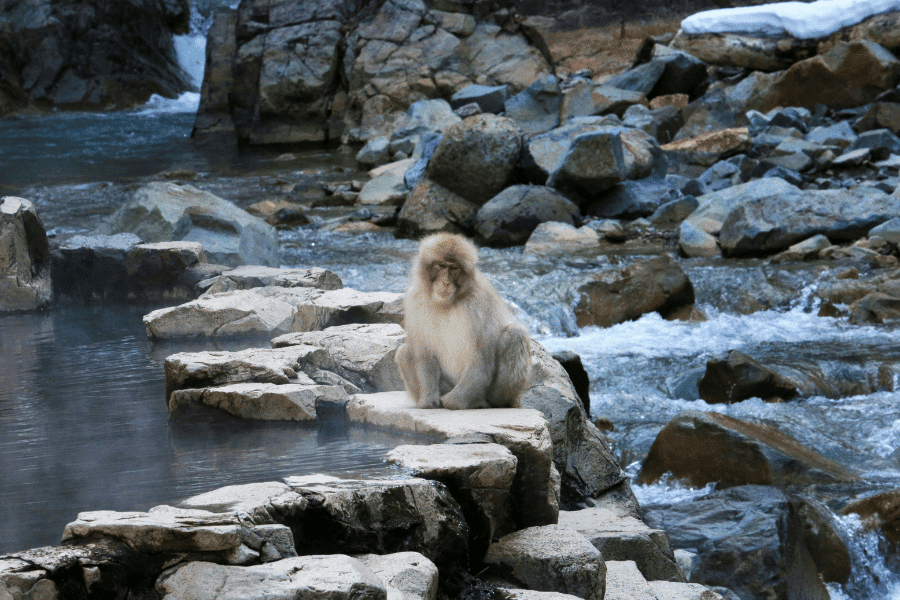
In Nagano Prefecture, the famous Jigokudani Monkey Park offers a unique opportunity to see snow monkeys soaking in natural hot springs during winter. Surrounded by dense forests and mountain scenery, this park is one of Japan’s most unusual wildlife experiences.
Best time: Winter months
Trail info: One scenic forest walking trail to the park
Ethical note: Observation only with the monkeys – no interaction or feeding
Where to Stay in Jigokudani Monkey Park (Nagano Prefecture)
Budget
-
Kanbayashi Hotel Senjukaku (basic rooms) – Closest affordable option
-
Minshuku Korakukan – Traditional and simple
-
Shimaya Ryokan – Budget-friendly family-run stay
Mid-Range
-
Yudanaka Seifuso – Comfortable with onsen access
-
Hotel Tsubakino – Central, good amenities
-
Aburaya Tousen – Reliable ryokan near transport
Luxury
-
Biyunoyado – Refined hot spring ryokan
-
Shibu Onsen Kokuya – Private onsen baths available
-
Sakaeya Ryokan – Premium service and atmosphere
Takachiho Gorge: Myth and Natural Beauty in Miyazaki
Located in Miyazaki Prefecture, Takachiho Gorge is a dramatic canyon carved by volcanic rock, featuring towering rock formations and crystal-clear waters. A peaceful boat ride through the gorge is one of the most memorable experiences in southern Japan.
Best time: Spring through autumn
Why it’s special: Mythological roots and dramatic scenery
Vegan tip: Miyazaki is known for vegetable-heavy local dishes. Ask for plant-based versions
Where to Stay in Takachiho Gorge (Miyazaki Prefecture)
Budget
-
Guesthouse Takachiho – Basic and affordable
-
Hostel & Cafe Mellow – Friendly, modern budget stay
-
Takachiho B&B Ukigumo – Small, cozy guesthouse
Mid-Range
-
Hotel Takachiho – Central and comfortable
-
Solest Takachiho Hotel – Modern and well-rated
-
Minshuku Kamishio – Traditional family-run stay
Luxury
-
Takachiho Hanare – Private villas and serene setting
-
Hotel Shikimi – Upscale ryokan-style accommodation
-
Ryokan Shinzen – Elegant and tranquil atmosphere
Yakushima Island: Ancient Forests and a Unique Ecosystem
A lush, rain-soaked subtropical island, Yakushima Island is famous for its ancient forests, moss-covered cedar trees, and unique ecosystem. The island is another UNESCO World Heritage Site and one of the best natural sites for serious hikers.
Outdoor activities: Numerous hiking trails, from gentle paths to multi-day treks
Weather conditions: Rainy year-round so pack layers
Vegan-friendly travel: Self-catering stays and simple plant-based meals
Where to Stay in Yakushima Island (Kagoshima Prefecture)
Budget
-
Yakushima Guesthouse Suginoko – Popular backpacker option
-
Guesthouse Yakushima – Simple, nature-focused stay
-
Tomarigi Guesthouse – Affordable and social
Mid-Range
-
Yakushima Green Hotel – Comfortable base for hiking
-
Hotel Yakushima – Ocean views and good amenities
-
Cottage Morinokokage – Private cabins in nature
Luxury
-
Sankara Hotel & Spa Yakushima – Island’s top luxury resort
-
JR Hotel Yakushima – Elegant rooms with sea views
-
Samana Hotel Yakushima – Boutique luxury feel
Shiretoko National Park: Untamed Wilderness in Hokkaido
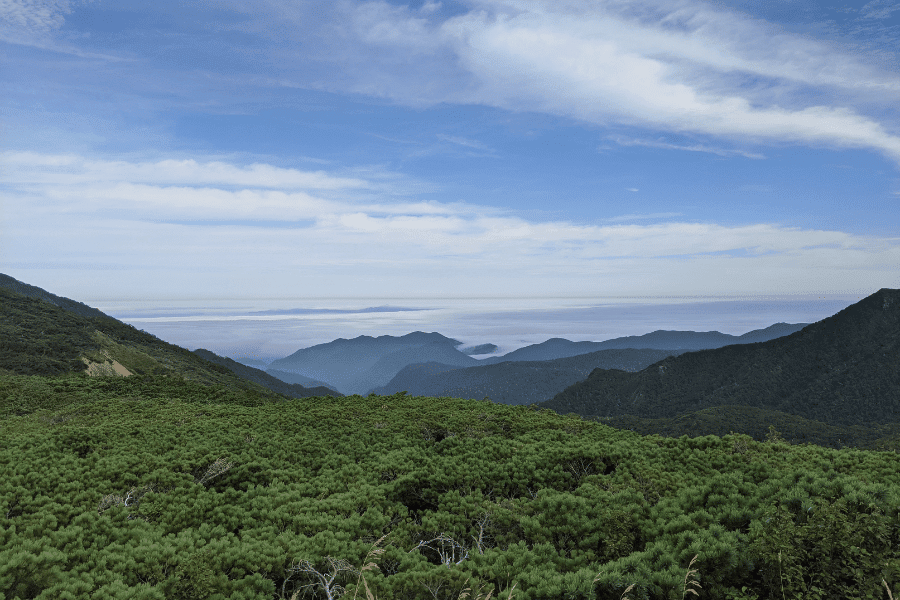
At the far northeastern edge of Japan’s main island, Shiretoko National Park and the Shiretoko Peninsula feel truly wild. Expect rugged coastlines, waterfalls flowing directly into the sea, and sightings of deer and foxes.
Best time: Summer months for accessibility
How to explore: Hiking and boat tour options
Why it stands out: One of Japan’s last great wilderness areas
Where to Stay in Shiretoko National Park & Peninsula (Hokkaido)
Budget
-
Shiretoko Hostel Hanare – Clean and affordable
-
Shiretoko Village – Simple cabins and rooms
-
Iruka Hotel (basic rooms) – Budget-friendly option
Mid-Range
-
KIKI Shiretoko Natural Resort – Comfortable with onsen
-
Shiretoko Daiichi Hotel – Good access to park areas
-
Hotel Kumoi – Traditional mid-range ryokan
Luxury
-
Kitakobushi Shiretoko Hotel & Resort – Ocean-view luxury
-
Hotel Shiretoko – Premium rooms and service
-
Shiretoko Prince Hotel Kazanamiki – High-end wilderness stay
Kumano Kodo and Nachi Waterfall: Sacred Trails of the Past
The Kumano Kodo is an ancient pilgrimage network connecting sacred sites across the Kii Peninsula. Walking these different trails leads to temples like Nachi Taisha and the breathtaking Nachi Waterfall, Japan’s tallest.
Why go: Spiritual atmosphere and lush forests
Historical note: Pilgrims have walked here since the Edo period
Vegan highlight: Traditional temple meals are often fully plant-based
Where to Stay in Kumano Kodo & Nachi Waterfall (Wakayama Prefecture)
Budget
-
Minshuku Chikatsuyu – Pilgrim-friendly guesthouse
-
Koguchi Shizen no Ie – Simple lodging on the trail
-
Guesthouse Kokoyui – Affordable, traditional stay
Mid-Range
-
Kumano-Bettei Nakanoshima – Comfortable and scenic
-
Hotel Urashima – Large onsen complex
-
Minshuku Wakatake – Cozy and welcoming
Luxury
-
Kamenoi Hotel Nachi Katsuura – Refined ryokan
-
Hot Spring Ryokan Tounosawa Ichinoyu – Historic luxury
-
Shingu UI Hotel (premium rooms) – Modern comfort
Tottori Sand Dunes and Naruto Whirlpools: Coastal Extremes
The Tottori Sand Dunes offer surreal desert-like landscapes near the Pacific Ocean, while the Naruto Whirlpools in the Seto Inland Sea form dramatic currents best seen during low tide.
Nearby in Yamaguchi Prefecture, explore a large limestone cave and coastal cliffs with breathtaking views.

Where to Stay at Tottori Sand Dunes (Tottori Prefecture)
Budget
-
Drop Inn Tottori – Affordable and modern
-
Tottori Guesthouse Miraie – Friendly budget stay
-
Hotel Resh Tottori Ekimae – Simple and central
Mid-Range
-
APA Hotel Tottori Ekimae – Reliable comfort
-
Hotel Monarque Tottori – Spacious and quiet
-
Green Rich Hotel Tottori – Good value mid-range
Luxury
-
Misasa Onsen Ryokan – Upscale hot spring retreat
-
Hotel Weliness Houkokuya – Elegant ryokan experience
-
Kasuitei – High-end traditional accommodation
Kabira Bay and Japan’s Southern Seas
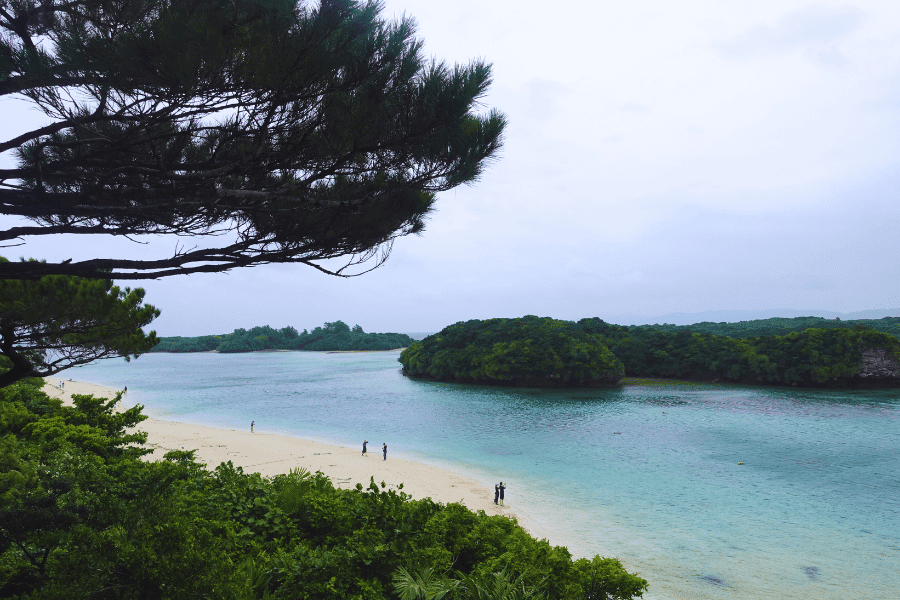
On a small island in Okinawa, Kabira Bay dazzles with turquoise water, coral reefs, and some of Japan’s most beautiful beaches. This region is known for sea life, including sea turtles, and calm boat tour options.
Best time: Late spring to early autumn
Why it’s unique: Tropical climate and clear water
Where to Stay in Kabira Bay (Ishigaki Island, Okinawa)
Budget
-
Guesthouse Chura Cucule – Stylish budget option
-
Ishigaki Guesthouse Hive – Affordable and social
-
Minshuku Rakutenya – Simple local stay
Mid-Range
-
Beach Hotel Sunshine Ishigakijima – Comfortable coastal hotel
-
Ishigaki Seaside Hotel – Relaxed mid-range resort
-
Art Hotel Ishigakijima – Central and well-equipped
Luxury
-
ANA InterContinental Ishigaki Resort – Full-service luxury
-
Fusaki Beach Resort Hotel & Villas – Private beach access
-
Club Med Kabira Ishigaki – All-inclusive luxury resort
Practical Information for Visiting Japan’s Natural Wonders
Best time to visit:
-
Spring for cherry blossoms
-
Autumn for foliage
-
Summer months for alpine and northern regions
How to get around:
Japan’s rail network is the best way to reach most national parks, paired with local buses and ferries. For remote areas, renting a car can be useful.
Vegan travel tips:
Japan is increasingly vegan-friendly, especially in cities and tourist areas. Look for shōjin-ryōri, tofu dishes, onigiri with pickled vegetables, and vegan ramen shops.
Final Thoughts: Japan Beyond the Cities
From Mount Aso and the Japanese Alps to hidden coastal gems and sacred mountain paths, these best natural sites show a side of Japan that feels timeless. Whether you’re chasing scenic beauty, deep spirituality, or unforgettable outdoor activities, Japan’s landscapes offer endless inspiration.
For travelers seeking beautiful spots, meaningful connections to nature, and plant-based adventures, these destinations reveal the true heart of Japan’s natural wonders.
How to Decide Where to Go
Start by narrowing Japan through themes, not places.
Ask yourself (or your travel buddy or family):
1. What kind of experience do you want most?
-
Nature & hiking: Japanese Alps, Yakushima Island, Nikko National Park, Shiretoko Peninsula
-
Iconic sights: Mount Fuji, Kyoto, Nara, Hiroshima
-
Food & cities: Tokyo, Osaka, Fukuoka
-
Spiritual & slow: Kumano Kodo, Koyasan, temple towns
-
Beach & subtropical: Okinawa, small southern islands
Pick 2–3 main themes max. More than that = rushed and tiring.
2. How fast do you want to travel?
Be honest here:
-
If you like slow mornings, cafés, wandering, aim for fewer bases
-
If you’re energized by movement and trains, you can fit in a bit more
A good rule for Japan:
Every change of base = half a day “lost” (packing, transport, check-in)
How Much Time Is Needed in Each Place?
Here’s a realistic, no-burnout guide:
Big Cities
-
Tokyo: 4–6 days
-
Kyoto: 3–4 days
-
Osaka: 2–3 days
Medium Cities / Regions
-
Kanazawa, Hiroshima, Nagano area: 2 days
-
Fuji Five Lakes: 2 days
-
Takayama / Japanese Alps: 2–3 days
Nature-Heavy Destinations
-
Yakushima Island: 3–4 days
-
Nikko National Park: 2 days
-
Kumano Kodo: 2–4 days (depending on trails)
-
Shiretoko: 3 days
Day Trips
Perfect for places like:
-
Nara
-
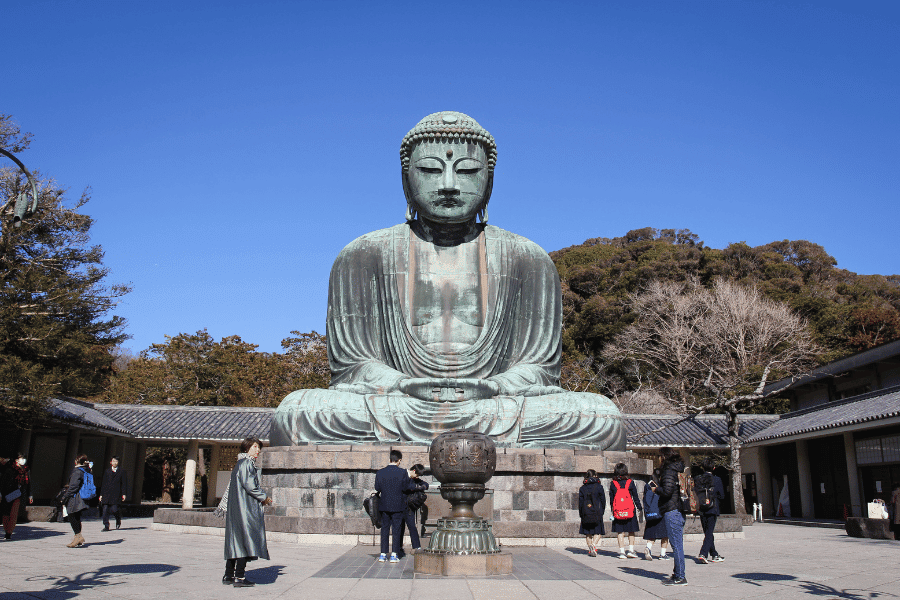
Kamakura
-
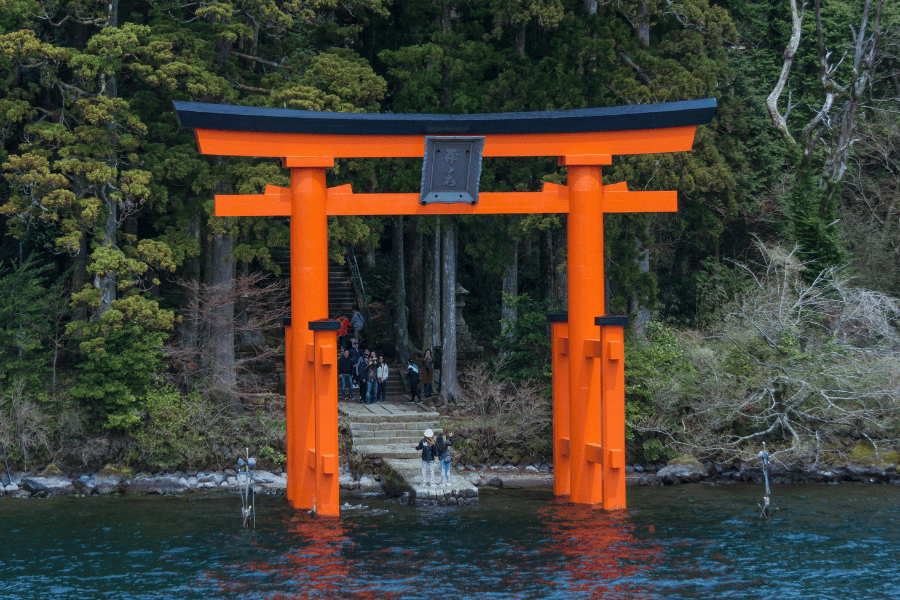
Hakone
-
Lake Kawaguchi
How Many Places Can You Visit in 2 Weeks?
Comfortable pace:
3–4 main bases + day trips
Example 2-Week Flow
-
Tokyo – 5 days (with Kamakura or Nikko day trip)
-
Kyoto – 4 days (Nara + Osaka day trips)
-
Nature base (Fuji area or Alps) – 3 days
-
Osaka or Hiroshima – 2–3 days
That’s already very full and satisfying.
Trying to squeeze in Hokkaido and Okinawa in 2 weeks? Not worth it.
How Many Places Can You Visit in 3 Weeks?
This is where Japan really shines ✨
Ideal pace:
4–6 main bases
You can now add depth, not just distance.
Example 3-Week Flow
-
Tokyo – 5–6 days
-
Kyoto – 4 days
-
Osaka or Hiroshima – 2–3 days
-
Nature destination (Yakushima, Alps, Kumano Kodo) – 4 days
-
Second nature or regional city – 3 days
This allows:
-
Slower travel days
-
Weather flexibility
-
Deeper hikes or temple stays
The Biggest Mistake People Make
Trying to “do Japan” instead of experiencing Japan.
You’ll remember:
-
One perfect view of Mount Fuji
-
One forest walk
-
One unforgettable meal
far more than ticking off 12 cities.
A Simple Decision Formula (Steal This)
-
Choose 1 major city (Tokyo or Kyoto)
-
Add 1 contrasting city
-
Add 1 nature-heavy place
-
Add day trips instead of extra hotels
That’s it. That’s the magic.
Which Places Pair Best Geographically
Japan is long and narrow, so grouping destinations by region is the best way to save time, money, and energy. These pairings minimize long travel days and work especially well for 2–3 week itineraries.
Tokyo Area Pairings (Kanto Region)
Best paired with:
-
Mount Fuji & Lake Kawaguchi
-
Nikko National Park
-
Kamakura (day trip)
Why it works:
Tokyo is the best transport hub in the country. Both Mount Fuji and Nikko are easy 2–3 hour trips by train or bus, making them perfect nature escapes without changing regions.
Ideal time needed:
7–10 days total
Mount Fuji & Hakone / Fuji Five Lakes
Best paired with:
-
Tokyo
-
Kyoto (via direct transport routes)
Why it works:
Fuji sits between Tokyo and Kyoto, making it an ideal mid-journey nature stop. Lake Kawaguchi pairs especially well with slow travel and scenic breaks.
Ideal time needed:
2–3 days
Kyoto & Kumano Kodo (Kansai Region)
Best paired with:
-
Kyoto
-
Osaka
-
Nara
-
Nachi Waterfall & Nachi Taisha
Why it works:
These destinations share spiritual roots and historic walking paths. Kyoto offers temples and culture, while Kumano Kodo provides deep forest hikes and pilgrimage trails.
Ideal time needed:
6–8 days total
Kyoto, Osaka & Hiroshima (Western Honshu)
Best paired with:
-
Kyoto
-
Osaka
-
Hiroshima
-
Yamaguchi Prefecture
Why it works:
All are connected by the Shinkansen along Japan’s main island. This route balances history, food culture, and coastal scenery with efficient travel.
Ideal time needed:
7–9 days total
Oirase Gorge & Lake Towada (Tohoku Region)
Best paired with:
-
Aomori Prefecture
-
Nikko National Park (longer but logical northward route)
Why it works:
These northern landscapes share alpine forests, waterfalls, and cooler climates. Best for travelers prioritizing natural beauty and fewer crowds.
Ideal time needed:
3–4 days
Jigokudani Monkey Park & Japanese Alps (Central Honshu)
Best paired with:
-
Nagano Prefecture
-
Takayama
-
Kamikochi
-
Matsumoto
Why it works:
Mountain towns and hiking regions cluster naturally here, offering scenic rail routes, onsen towns, and outdoor activities.
Ideal time needed:
4–6 days
Takachiho Gorge & Mount Aso (Kyushu)
Best paired with:
-
Miyazaki Prefecture
-
Kumamoto
-
Beppu (onsen towns)
Why it works:
Volcanic landscapes, gorges, and rural scenery define this region. Renting a car makes travel much easier and allows access to less touristy spots.
Ideal time needed:
4–6 days
Yakushima Island (Southern Kyushu)
Best paired with:
-
Kagoshima
-
Kyushu mainland highlights
Why it works:
Yakushima requires a ferry or flight, so it’s best treated as a dedicated nature stop, not a side trip squeezed into a packed itinerary.
Ideal time needed:
3–4 days
Shiretoko National Park (Hokkaido)
Best paired with:
-
Other Hokkaido destinations only
-
NOT recommended with central or southern Japan in short trips
Why it works:
Shiretoko is remote and wild. Combining it with Tokyo or Kyoto in a short trip adds excessive travel time.
Ideal time needed:
4–5 days minimum
Kabira Bay & Okinawa Islands
Best paired with:
-
Ishigaki Island
-
Other Okinawan islands
Why it works:
Okinawa is subtropical and culturally distinct. It deserves its own focus rather than being tacked onto a mainland itinerary.
Ideal time needed:
4–7 days
Tottori Sand Dunes & Seto Inland Sea
Best paired with:
-
Hiroshima
-
Okayama
-
Yamaguchi Prefecture
Why it works:
These coastal destinations connect well via regional trains and offer dramatic scenery, art islands, and historic towns.
Ideal time needed:
3–4 days
Quick Planning Rule for Japan
-
2 weeks: 1 region + 1 side region
-
3 weeks: 2 regions + 1 nature-heavy area
-
Avoid: Jumping from Hokkaido to Okinawa in one trip
This post contains affiliate links, which means I’ll receive a commission if you purchase through my link, at no extra cost to you.
We would be thrilled if you would use our Affiliate links attached here. If you buy something using our links, we receive a small commission. This helps us to continue creating amazing content on the blog for free. Thank you so much!
AFFILIATE LINKS – CLICK HERE
THE 5 ITEMS WE WERE SO HAPPY TO HAVE FOR ALL OF OUR TRIPS:
- Merrell women’s light hiking shoes – these are amazing because they are lightweight, but are extra grippy and helpful! I also have this pair that I always get compliments on: Merrell Rainbow shoes. Fernando loves his Asics trail runners which are also grippy and perfect for walking on cobblestone streets.
- Thermoflask water bottle – like a Hydroflask, but more affordable! We don’t go anywhere without these water bottles full of purified water.
- North Face Aphrodite 2.0 capris – Seriously, I wear these pants every.single.day! I couldn’t live without these ultra-comfy, lightweight pants that dry so quickly. They are 100% worth the money!
- Osprey Day Pack – this is an awesome lightweight backpack! We easily put the belongings we need at hand for traveling around the city and on public transportation.
- Travel-friendly chewable toothpaste tablets – these are so fantastic for keeping your teeth clean on the go!
OUR FAVORITE EUROPEAN SERVICES:
- DISCOVER CARS – If you want to rent a car while you’re in Japan, our favorite car rental aggregator is Discover Cars. We frequently rent cars, and they always have the best prices and great quality vehicles.
- iTalki – if you want to learn Japanese before traveling to Japan or while you’re there, we love iTalki. We highly recommend their language services.
- NORD VPN – perfect to use your technology in other countries!
- Airalo E-Sim – this let’s you use your phone anywhere in the world without having to get a physical sim! We use this all the time when we travel outside Europe! We used this E-sim recently during our visit to Japan and it worked really well – no problem at all.
- For fun activities in each city, check out Viator and their recommendations.
- Big Bus Tours – the perfect way to see the city when you first arrive!
- Get Transfer – transfers between all of the airports and cities




This is such a beautiful look at Japan beyond the big cities. I love how you highlight places like Mount Fuji, Nikko National Park, and Oirase Gorge with both practical tips and cultural context. The mix of sacred sites, wild landscapes, and vegan-friendly advice makes it feel thoughtful and unique. Japan’s connection to nature really shines through here. This makes me want to plan a slower, nature-focused trip to Japan.
Thank you so much! Japan is incredible and offers rich history, beautiful natural spots and amazing vegan food. We highly recommend visiting!