A Slow Travel Guide to Portugal’s Most Peaceful Villages (Vegan-Friendly & Off the Beaten Path)
Portugal is often associated with big cities like Lisbon and Porto, dramatic coastal towns, and the golden beaches of the Algarve. But beyond Portugal’s cities and popular resort areas lies a quieter, more meaningful way to experience the entire country. From historical villages hidden in rolling hills to lesser-known towns near the Spanish border, Portugal’s countryside offers the perfect destination for slow travel.
This slow travel guide to Portugal’s most peaceful villages is designed for travelers who want to explore at their own pace, avoid mass tourism, and connect with local life. These small towns and little villages invite you to linger, wandering narrow streets, browsing local markets, and enjoying simple meals made with seasonal produce and generous use of olive oil. For vegan travelers, this style of travel offers a good reason to go beyond menus and discover Portugal’s naturally plant-forward rural cuisine.
Whether you’re planning a road trip, a relaxed Portugal itinerary, or a series of thoughtful day trips, these beautiful villages highlight the best of Portugal off the beaten path. Expect scenic views, stone houses, olive groves, natural parks, and a slower pace of life that rewards curiosity rather than urgency.
Why Portugal Is Ideal for Slow Travel
Portugal is a great place for slow travel because it offers different landscapes within short distances. In a single trip, you can move from the Douro Valley’s wine regions to Central Portugal’s mountain villages, from the Alentejo region’s wide plains to the Atlantic Ocean’s rugged coastline. The best way to experience this diversity is not by rushing, but by choosing fewer places and spending more time in each.
Unlike many European destinations struggling with overtourism, Portugal still has an abundance of small villages where local communities remain at the heart of daily life. Public transport connects many towns, while a rental car makes it easy to explore lesser-known regions and the interior of Portugal. Slow travel here is also a great way to reduce environmental impact while supporting family-run accommodations and small businesses.
For vegan travelers, Portugal’s countryside offers fresh produce, legumes, fruit, bread, and olive oil as everyday staples. While coastal towns have a constant presence of fresh fish, inland villages often rely on plant-based ingredients by default, making it easier than expected to eat well with little effort.
Where to Eat Vegan on Your Trip
I always recommend checking out the options on Happy Cow and Google maps. Whenever I travel, I check out veg-friendly choices on Happy Cow to save to my Google Maps. Here’s the link for Happy Cow.
Top Villages to Visit in Portugal
1. Monsanto (Central Portugal)
One of Portugal’s most extraordinary historical villages, Monsanto is built directly among giant boulders, with stone houses wedged between massive granite rocks. Overlooked by castle ruins, the village offers dramatic scenic views across Central Portugal’s countryside.
Things to Do in Monsanto
-
Walk the narrow streets and narrow lanes of the old town
-
Visit the castle ruins for panoramic views
-
Explore the small museum focused on local culture and traditions
-
Take a short walk to the surrounding viewpoints at sunrise or sunset
Where to Stay in Monsanto
-
On The Rocks – Rustic stone accommodation with village character
-
Zion Jardim Monsanto – Traditional, simple, and well-located B & B with a pool
Monsanto is best visited by car and fits perfectly into a slow road trip through Central Portugal.
2. Sortelha (Interior of Portugal)
Sortelha is one of Portugal’s best-preserved historical villages, enclosed by castle walls and surrounded by rolling hills. Located in the interior of Portugal near the Spanish border, it feels almost untouched by modern life.
Things to Do in Sortelha
-
Walk along the castle walls and admire the stone houses
-
Spend time in the quiet main square
-
Visit nearby Roman ruins and rock formations
-
Enjoy slow mornings and evenings when day visitors leave
Where to Stay in Sortelha
-
Casa da Calçada – Traditional village house with modern comforts
-
Casa da Cerca (nearby) – Rural stay surrounded by olive trees with beautiful, lush grounds
Sortelha is ideal for travelers seeking lesser-known towns and a slower pace of life.
3. Piódão (Central Portugal)
Hidden in the mountains of Central Portugal, Piódão is famous for its slate stone houses and dramatic hillside setting. Despite its beauty, it remains a peaceful village, especially outside peak summer months.
Things to Do in Piódão
-
Wander the narrow streets and photograph the stone houses
-
Visit the village church and small museum
-
Walk forest trails through eucalyptus trees
-
Explore nearby natural parks and river swimming spots
Where to Stay in Piódão
-
Inatel Piódão Hotel – Comfortable and well-located
-
Casa da Padaria – Traditional guesthouse with village views
Piódão rewards slow travel and is best accessed by car.
4. Castelo Rodrigo (Northern Portugal)
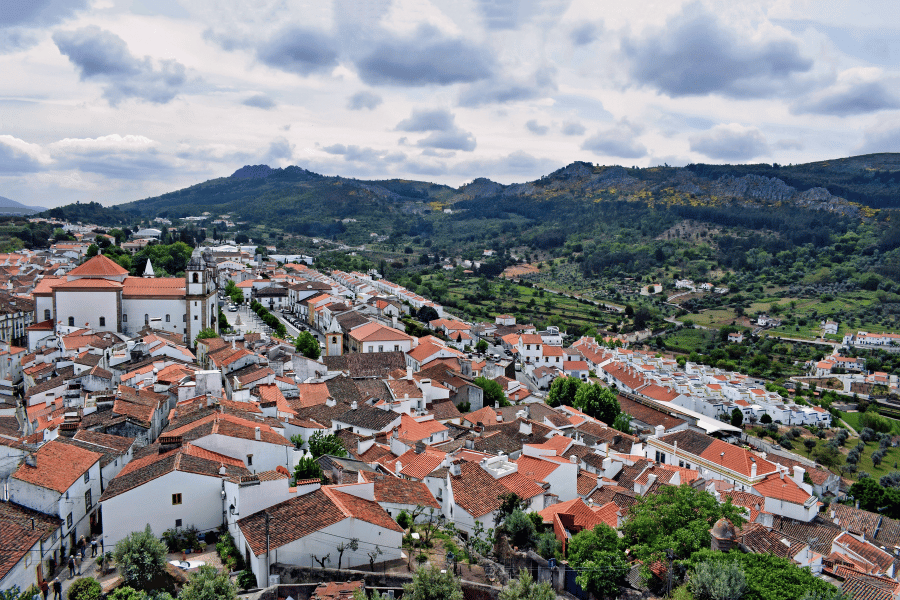
Located near the Douro River and surrounded by vineyards, Castelo Rodrigo offers white houses, historic ruins, and sweeping scenic views. It’s a great place to experience Northern Portugal without the crowds of the Douro Valley.
Things to Do in Castelo Rodrigo
-
Walk through the old town and castle ruins
-
Visit the small archaeological museum
-
Enjoy views over nearby wine regions
-
Explore surrounding villages and countryside
Where to Stay in Castelo Rodrigo
-
Casa da Cisterna – Stylish rural accommodation
-
Colmeal Countryside Hotel (nearby) – Ideal for a slower stay
This village works beautifully as part of a northern road trip.
5. Marvão (Alentejo Region)
Perched high along the Spanish border, Marvão is one of the Alentejo region’s most striking villages. Surrounded by castle walls, it offers a perfect balance of history, views, and tranquility.
Things to Do in Marvão
-
Walk the castle walls and old town
-
Visit Roman ruins at Ammaia nearby
-
Explore walking trails in the surrounding hills
-
Enjoy quiet evenings in the main square
Where to Stay in Marvão
-
Varanda do Alentejo – Central and atmospheric
-
Quinta do Barrieiro – Rural retreat surrounded by nature
6. Monsaraz (Alentejo Region)
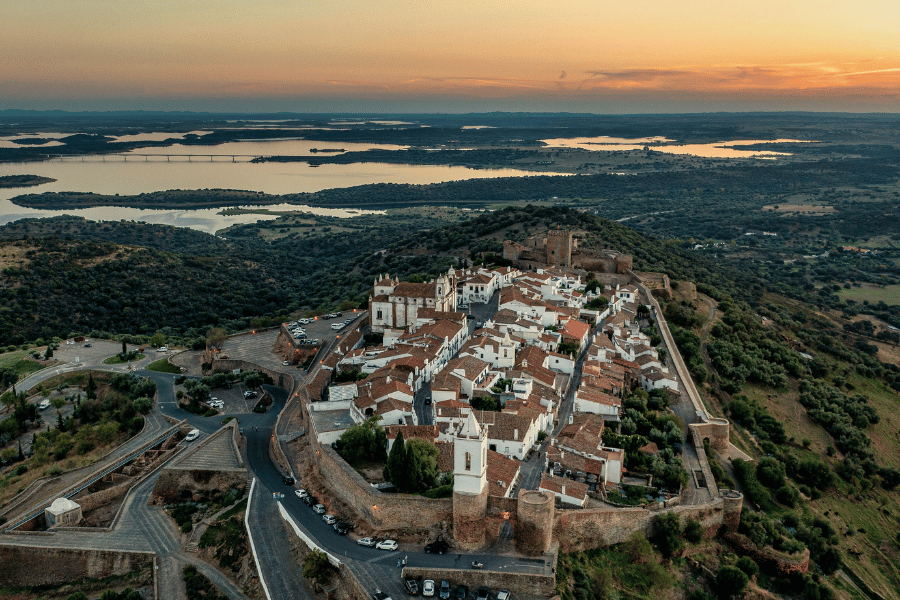
Monsaraz sits above the Guadiana River, surrounded by olive groves and vineyards. Its white houses and narrow streets make it ideal for slow exploration.
Things to Do in Monsaraz
-
Walk the castle walls at sunset
-
Visit local artisan shops
-
Explore nearby villages and vineyards
-
Swim in the river beaches during summer
Where to Stay in Monsaraz
-
Vila Planicie – Traditional and welcoming
-
São Lourenço do Barrocal (nearby) – High-end (splurge-worthy) rural slow travel stay
Monsaraz is a great place to experience the interior of Portugal at a relaxed pace.
7. Vila Nova de Milfontes (Alentejo Coast)
Located where the Mira River meets the Atlantic Ocean, Vila Nova de Milfontes combines village life with quiet beaches and natural parks. It’s a highlight of the Rota Vicentina.
Things to Do in Vila Nova de Milfontes
-
Walk sections of the Rota Vicentina
-
Take gentle boat trips on the river or rent a kayak or SUP
-
Relax on quiet beaches away from crowds
-
Explore nearby coastal trails
Where to Stay in Vila Nova de Milfontes
-
HS Milfontes Beach Hotel – Central and comfortable
-
Patios da Vila – Lovely studios close to town
This is one of Portugal’s best coastal towns for slow travel.
8. Tavira (Eastern Algarve)
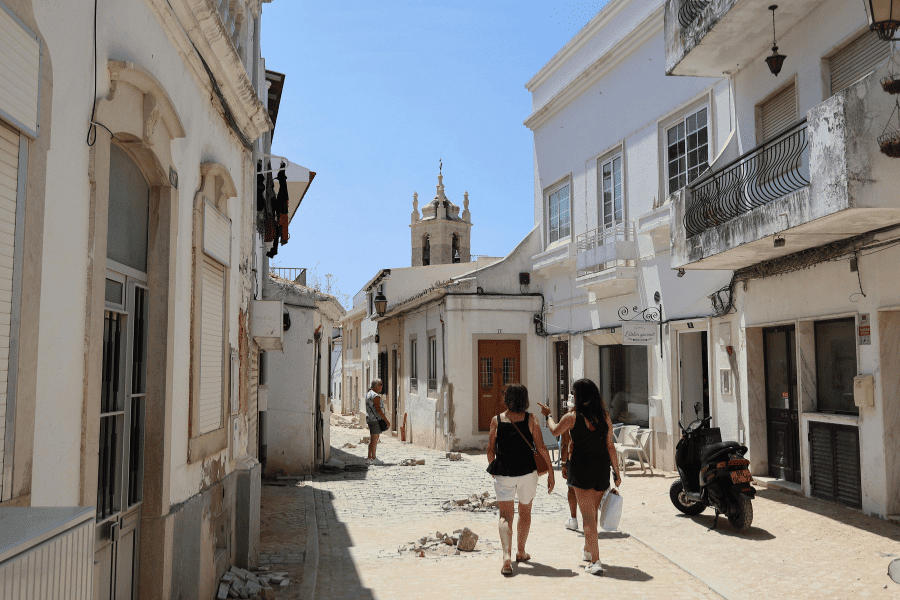
Tavira offers a calmer alternative to resort-heavy Algarve towns like Albufeira, Lagos, and Praia da Rocha. With Roman ruins, narrow streets, and a relaxed old town, it’s ideal for slow exploration.
Things to Do in Tavira
-
Explore Tavira Island’s quiet beaches
-
Visit Roman ruins and small museums
-
Wander the old town and bridges
-
Take boat trips through nearby biosphere reserves
Where to Stay in Tavira
-
AP Maria Nova Lounge Hotel – Comfortable and walkable
-
Casa Beleza do Sul – Small guesthouse in the historic center
Tavira is one of the eastern Algarve’s best places for mindful travel.
9. Furnas (São Miguel, Azores)
Furnas, on São Miguel island, is known for natural springs, volcanic landscapes, and lush greenery. It’s accessible via direct flight yet feels deeply remote.
Things to Do in Furnas
-
Soak in natural hot springs
-
Walk around Lagoa das Furnas
-
Visit botanical gardens
-
Explore geothermal cooking sites
Where to Stay in Furnas
-
Vista do Vale – Thermal pools and wellness focus
-
Terra Nostra Garden Hotel – Classic and nature-centered, luxurious + splurge-worthy
Furnas is ideal for nature lovers seeking deep rest.
10. Amarante (Northern Portugal)
Amarante is a little town along the Tâmega River, blending calm village life with elegant architecture.
Things to Do in Amarante
-
Walk along the riverfront
-
Explore the old town and church
-
Visit local bakeries and markets
-
Use as a base for nearby villages
Where to Stay in Amarante
-
Casa da Calçada Relais & Châteaux – Historic and refined
-
Des Arts Guesthouse – Artistic and centrally located
Amarante offers a slower alternative to nearby big cities.
Two villages to stay near Peneda-Geres National Park
1. Lindoso (Peneda-Gerês National Park)
Lindoso is one of the most atmospheric villages near Peneda-Gerês National Park, known for its dramatic medieval castle, traditional stone houses, and iconic espigueiros (granite granary stores). Set against a backdrop of mountains and rolling hills, Lindoso offers a slower pace of life and easy access to some of Northern Portugal’s most beautiful natural landscapes.
The village feels deeply rooted in local culture, with narrow streets, stone walls, and sweeping scenic views over the Lima River valley. It’s an excellent choice for travelers who want to combine peaceful village life with outdoor activities in Portugal’s only national park.
Things to Do in Lindoso
-
Visit Lindoso Castle and walk along the castle walls
-
Explore the historic granary complex, one of the largest in Portugal
-
Take short walks through the old town and surrounding countryside
-
Use Lindoso as a base for hiking trails and waterfalls in Peneda-Gerês National Park
-
Enjoy scenic drives through Northern Portugal’s mountain landscapes
Where to Stay in Lindoso
-
Destro Village – Traditional stone house with village views
-
Casa Rural da Eira – Quiet rural accommodation surrounded by nature
Lindoso is best reached by rental car and is ideal for travelers seeking a peaceful base close to nature without staying inside the park itself.
2. Soajo (Peneda-Gerês National Park)
Soajo is a small mountain village located within the boundaries of Peneda-Gerês National Park and is best known for its hilltop espigueiros overlooking the village. With granite houses, narrow lanes, and strong ties to local communities, Soajo is one of the best places to experience authentic village life in Northern Portugal.
Life here moves slowly, shaped by the seasons and the surrounding natural parks. It’s a perfect destination for travelers who value quiet mornings, scenic walks, and meaningful connections with local life rather than packed itineraries.
Things to Do in Soajo
-
Walk up to the Soajo granaries for panoramic views
-
Wander the village’s narrow streets and stone houses
-
Explore nearby hiking trails, rivers, and natural pools
-
Visit traditional watermills and pastoral landscapes
-
Spend time enjoying the silence and slower pace of life
Where to Stay in Soajo
-
Silken Mezio National Park – Traditional accommodation near the village center with pools
-
Casa Serra do Soajo – Rustic guesthouse with mountain views
Soajo is a great choice for nature lovers who want direct access to walking trails, outdoor activities, and the quieter side of Peneda-Gerês National Park.
Best Time to Visit Portugal’s Peaceful Villages
The best time for slow travel in Portugal is spring (March to May) and autumn (September to October). During these months, temperatures are comfortable, landscapes are green or golden, and villages feel alive without being crowded. This is also when local markets are at their best, overflowing with fresh produce.
Summer can work for inland villages and Northern Portugal, but coastal towns may experience more visitors. Winter offers quiet beauty, especially in the Alentejo region and Central Portugal, though some rural restaurants may have limited hours.
Practical Tips for Slow, Vegan-Friendly Travel in Portugal
A rental car is often the best way to explore Portugal’s countryside, especially lesser-known regions where public transport is limited. That said, some villages near major cities are accessible by train and bus, making slow travel possible without driving.
Learn a few Portuguese phrases, shop at local markets, and don’t rush meals. Portuguese village life rewards patience and curiosity. With little effort, vegan travelers will find welcoming locals, great food, and meaningful connections.
Final Thoughts: Slow Travel, Vegan-Friendly, and Meaningful
Portugal’s peaceful villages offer a great way to experience the country beyond highlights and mass tourism. By choosing small towns, lesser-known regions, and slower rhythms, travelers can connect with local communities, enjoy great food, and explore Portugal’s countryside with intention.
For vegan travelers, this approach reveals Portugal as a place of abundance, simplicity, and warmth. Whether you’re planning a road trip, a series of thoughtful day trips, or a longer Portugal itinerary, slow travel through Portugal’s most beautiful villages is a truly rewarding experience.
Top 10 Tips for Exploring Portugal’s Villages at a Slow Pace
1. Travel Slowly and Limit Your Stops
One of the biggest mistakes travelers make is trying to see too much. Portugal’s villages are best experienced by choosing fewer destinations and staying longer in each one. Spending one to three nights in a single village allows you to explore the old town, enjoy quiet mornings, and experience local life beyond a quick visit.
2. Visit Outside Peak Summer Months
The best time to explore Portugal’s villages is spring and autumn, when temperatures are mild, and crowds are minimal. Summer can still work well in Northern Portugal and inland regions, but coastal villages may feel busier. Traveling off-season also makes accommodation more affordable and interactions with locals more relaxed.
3. Consider Renting a Car for Flexibility
While public transport connects major cities and some small towns, many peaceful villages in the interior of Portugal are best reached by rental car. Having your own vehicle allows you to travel at your own pace, stop at viewpoints, and explore lesser-known regions without relying on rigid schedules. We always use Discover Cars when we rent vehicles in Europe.
4. Stay in Locally Owned Guesthouses
Choose small hotels, guesthouses, and rural stays instead of large resorts. Locally owned accommodation offers a more authentic experience and supports local communities. Hosts often share valuable tips about nearby walks, markets, and traditional food that you won’t find online.
5. Explore Villages on Foot
Portugal’s villages are made for walking. Narrow streets, stone houses, castle walls, and main squares are best discovered slowly and on foot. Wandering without a strict plan often leads to the most memorable moments, whether it’s a quiet viewpoint or a conversation with a resident.
6. Shop at Local Markets and Bakeries
Local markets are a window into everyday life in Portugal’s countryside. They are also ideal for vegan travelers, offering fresh fruit, vegetables, bread, olives, and regional specialties. Visiting markets supports small producers and makes it easy to enjoy simple, plant-based meals while traveling.
7. Embrace Simple, Traditional Food
Village food in Portugal often focuses on simple ingredients rather than elaborate presentation. Olive oil, vegetables, legumes, bread, rice, and seasonal produce are staples across the country. Don’t hesitate to ask for small adaptations at restaurants, as many dishes can easily be made plant-based with little effort.
8. Respect Local Rhythms and Schedules
Life in Portugal’s villages follows a slower rhythm, especially outside major tourist areas. Shops may close for lunch, and evenings tend to be quiet. Embracing these rhythms rather than fighting them is key to enjoying slow travel and connecting with local culture.
9. Use Villages as Bases for Nature and Day Trips
Many villages are located near natural parks, coastal trails, rivers, or rolling hills. Use them as bases for short walks, scenic drives, or gentle outdoor activities rather than rushing from place to place. This approach creates a perfect balance between exploration and rest.
10. Leave Time for Doing Nothing
Slow travel is not just about what you see, but how you feel while traveling. Leave space in your itinerary for sitting in a café, watching village life unfold, or enjoying scenic views without a schedule. These quiet moments often become the most meaningful memories of a trip to Portugal.
Frequently Asked Questions: Slow Travel in Portugal’s Villages
Is Portugal a good destination for slow travel?
Yes, Portugal is an excellent destination for slow travel. The country is compact, affordable compared to many Western European destinations, and filled with small towns and villages that reward a slower pace. With scenic countryside, walkable historic centers, and a strong café culture, Portugal makes it easy to travel at your own pace and focus on meaningful experiences rather than rushing between sights.
What is the best time to visit Portugal’s peaceful villages?
The best time to visit Portugal’s peaceful villages is during spring (March to May) and autumn (September to October). These seasons offer mild temperatures, fewer crowds, and ideal conditions for walking, outdoor activities, and exploring natural parks. Summer can be pleasant in Northern Portugal and the interior, while winter is a good choice for the Alentejo region and Central Portugal if you prefer very quiet travel.
Do I need a rental car to explore Portugal’s countryside?
A rental car is the best way to explore Portugal’s countryside and lesser-known regions, especially if you plan to visit historical villages in the interior of Portugal. While public transport connects major cities and some small towns, many peaceful villages are easier to reach by car. That said, it is possible to combine trains or buses with short taxi rides for certain destinations. Here’s our affiliate link for Discover Cars, our favorite car rental aggregator.
Are Portugal’s small villages suitable for vegan travelers?
Yes, Portugal’s small villages can be surprisingly vegan-friendly, especially in inland regions. Traditional village food relies heavily on vegetables, legumes, bread, fruit, and olive oil. Local markets are an excellent source of fresh produce, and many restaurants are willing to adapt dishes upon request. Traveling slowly also allows more time to communicate dietary needs and discover naturally plant-based meals.
How long should I spend in each village when traveling slowly?
For slow travel, spending one to three nights in each village is ideal. This allows enough time to explore the old town, enjoy local life, take short walks in the surrounding countryside, and relax without rushing. Staying longer also helps you experience villages after day-trippers leave, when they are at their most peaceful.
Are Portugal’s villages crowded during peak season?
Most of Portugal’s villages remain relatively quiet even during peak season, especially those located away from the coast and major cities. While some places may receive day visitors in summer, mass tourism is still limited in many lesser-known towns. Visiting early in the morning or staying overnight helps maintain a peaceful experience.
Can I visit these villages as day trips?
Yes, several villages in Portugal can be visited as day trips, particularly those near major cities or popular regions. However, slow travel is best experienced by staying overnight. This allows you to enjoy early mornings, quiet evenings, and a deeper connection to local communities.
What are the best regions in Portugal for peaceful village travel?
Some of the best regions for peaceful village travel include Central Portugal, Northern Portugal away from the Douro Valley hotspots, the Alentejo region, and the eastern Algarve. The Azores, particularly São Miguel, are also ideal for travelers seeking nature-focused slow travel.
Is slow travel in Portugal suitable for first-time visitors?
Absolutely. Portugal is a safe, welcoming country with excellent infrastructure, making it ideal for first-time visitors interested in slow travel. Combining one or two cities with several peaceful villages creates a balanced Portugal itinerary that showcases both urban culture and countryside life.

This post contains affiliate links, which means I’ll receive a commission if you purchase through my link, at no extra cost to you.
We would be thrilled if you would use our Affiliate links attached here. If you buy something using our links, we receive a small commission. This helps us to continue creating amazing content on the blog for free. Thank you so much!
AFFILIATE LINKS – CLICK HERE
THE 5 ITEMS WE WERE SO HAPPY TO HAVE FOR ALL OF OUR TRIPS:
- Merrell women’s light hiking shoes – these are amazing because they are lightweight, but are extra grippy and helpful! I also have this pair that I always get compliments on: Merrell Rainbow shoes. Fernando loves his Asics trail runners which are also grippy and perfect for walking on cobblestone streets.
- Thermoflask water bottle – like a Hydroflask, but more affordable! We don’t go anywhere without these water bottles full of purified water.
- North Face Aphrodite 2.0 capris – Seriously, I wear these pants every.single.day! I couldn’t live without these ultra-comfy, lightweight pants that dry so quickly. They are 100% worth the money!
- Osprey Day Pack – this is an awesome lightweight backpack! We easily put the belongings we need at hand for traveling around the city and on public transportation.
- Travel-friendly chewable toothpaste tablets – these are so fantastic for keeping your teeth clean on the go!
OUR FAVORITE EUROPEAN SERVICES:
- DISCOVER CARS – If you want to rent a car while you’re in Europe, our favorite car rental aggregator is Discover Cars. We frequently rent cars and they always have the best prices and great quality vehicles.
- iTalki – if you want to learn another language before traveling to Europe or while you’re there, we love iTalki. We highly recommend their language services.
- NORD VPN – perfect to use your technology in other countries!
- Airalo E-Sim – this let’s you use your phone anywhere in the world without having to get a physical sim! We use this all the time when we travel outside Europe!
- Big Bus Tours – the perfect way to see the city when you first arrive!
- Get Transfer – transfers between all of the airports and cities


Leave a Reply