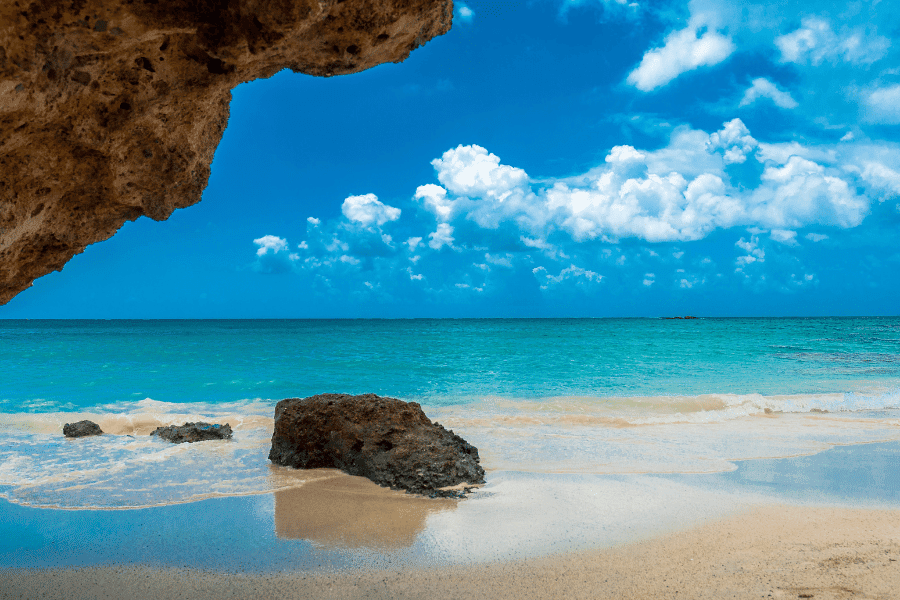
15 Warmest Places to Visit in Europe in March
March is the perfect time to escape the winter blues and embrace the warm temperatures of Europe’s best warm places. As the winter months give way to early spring, many southern European destinations offer mild climate, sunny weather, and plenty of outdoor activities. From La Palma and La Gomera in the Canary Islands to the Balearic Islands and the Mediterranean shores of southern Spain, the average high temperatures in these regions hover around the upper teens to low twenties (60-70 F), making them an ideal destination for nature lovers, history buffs, and those seeking beautiful beaches. This is your guide to the 15 Warmest Places to Visit in Europe in March.
Whether you’re looking for a city break, a road trip, or a relaxing beach holiday, March offers the best weather without the crowds of the high season. With hours of sunshine and pleasant weather, this time of year is great for exploring UNESCO World Heritage Sites, enjoying live music, or indulging in water sports along the coast. Destinations like the Canary Islands, with their natural wonders like Timanfaya National Park, or Cyprus, where archaeological sites meet sandy beaches, are a great choice.
For nature lovers, the largest island of Crete offers rich cultural heritage and stunning hiking trails, while the Mediterranean Sea’s warm waters make places like Malta and the Amalfi Coast popular tourist destinations for boat trips and seaside relaxation. Whether you prefer the rich history of Athens or the natural beauty of Madeira, these warm destinations in Europe provide good reasons to travel in the month of March. Below you’ll find the 15 Warmest Places to Visit in Europe in March which includes how to get there, what to do, where to eat and where to stay. Enjoy!
Here are 15 of the warmest places to visit in Europe in March, ideal for those seeking mild to warm weather:
1. Canary Islands, Spain
2. Madeira, Portugal
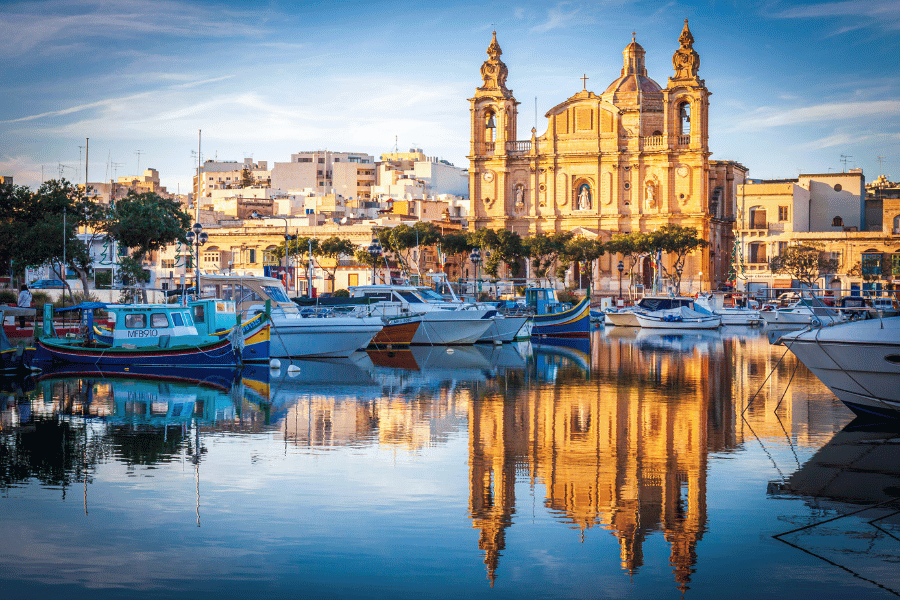
3. Malta
4. Cyprus
5. Seville, Spain
6. Crete, Greece
7. Rhodes, Greece
8. Athens, Greece
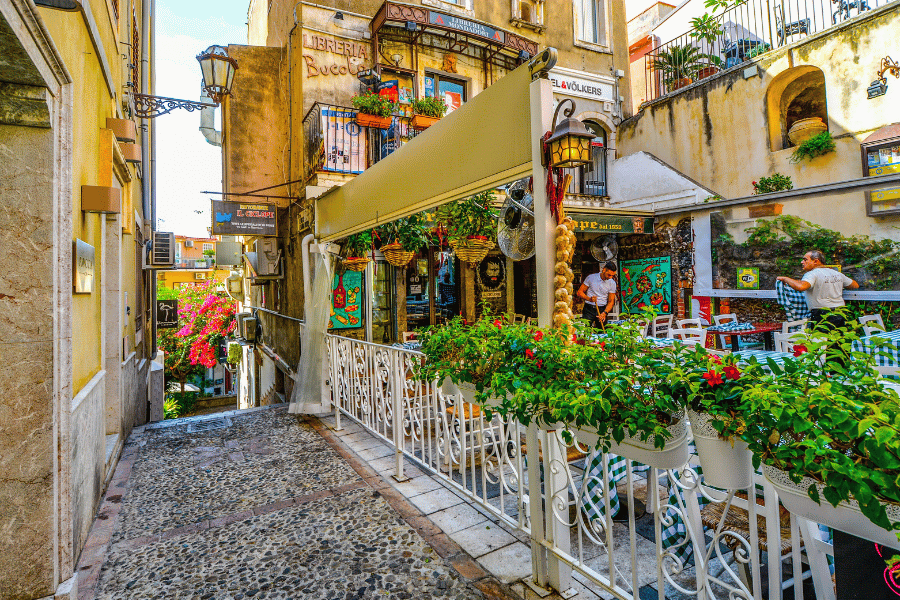
9. Sicily, Italy
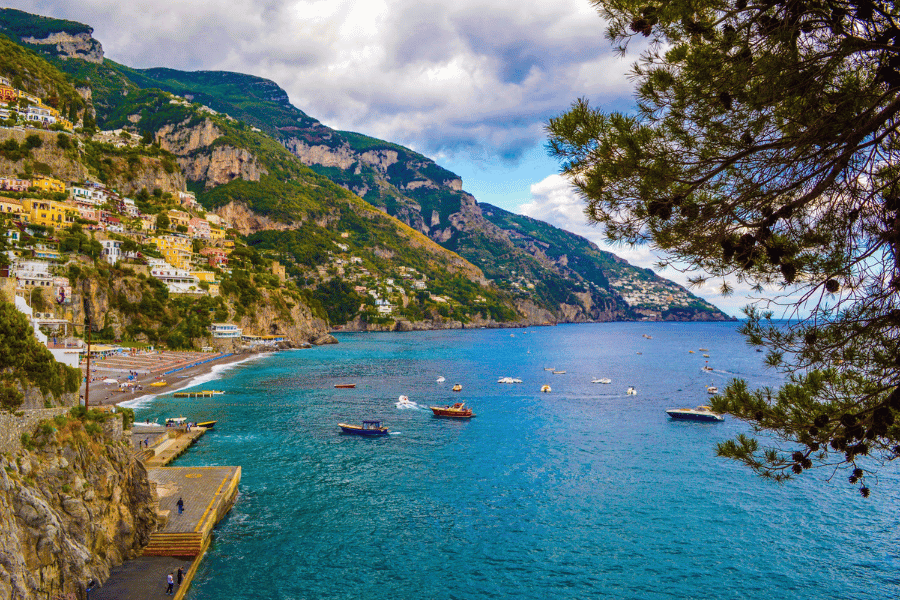
10. Amalfi Coast, Italy
11. Nice, France
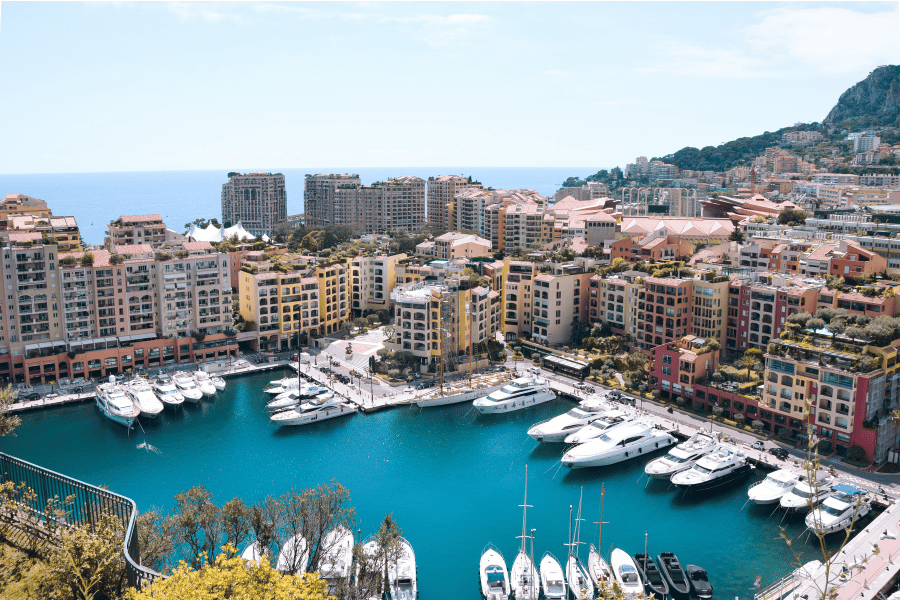
12. Monaco
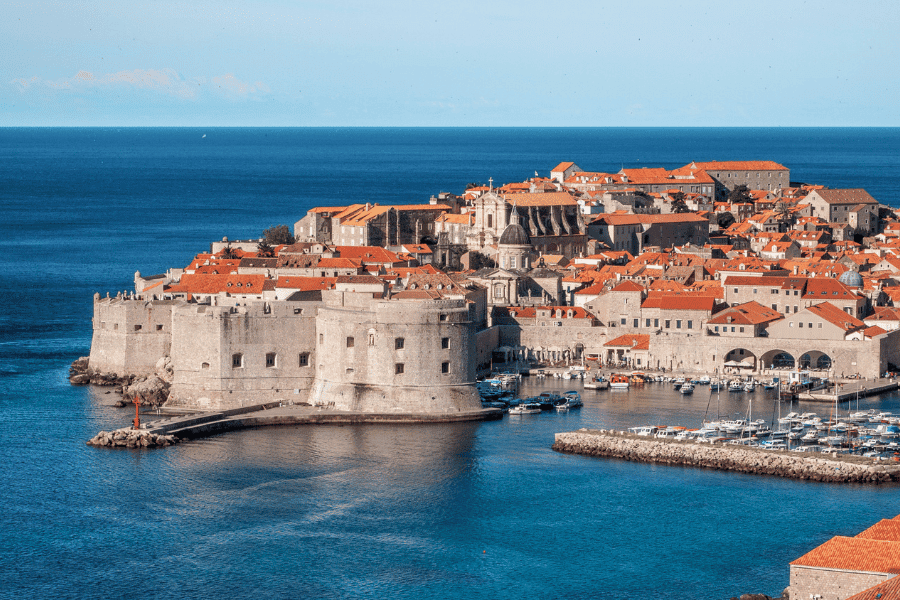
13. Dubrovnik, Croatia
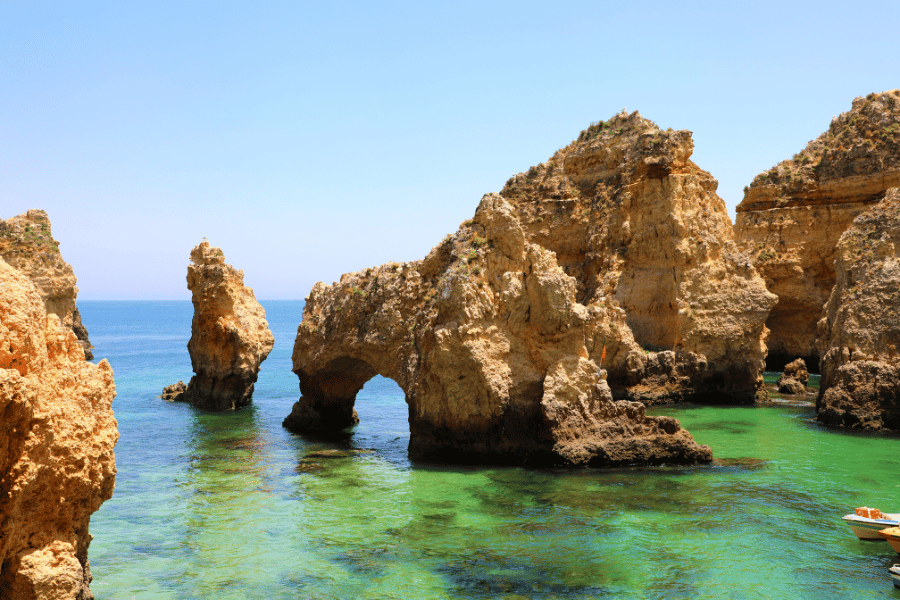
14. The Algarve, Portugal
15. Valletta, Malta
Top Tip: In order to see most of these places and harder to reach areas, we highly recommend that you rent a vehicle while there. Or if you prefer not to drive, I would recommend a guide for at least one of the days. Enjoy! Click here for the link to my favorite car rental aggregator.
15 Warmest Places to Visit in Europe in March
1. Canary Islands, Spain
- Average Temperature (High): 22°C (72°F)
- Known for: Beaches, hiking, and year-round sunshine. Tenerife, Gran Canaria, and Lanzarote are great picks.
How to Get to the Canary Islands
The Canary Islands, located off the coast of Africa, are well-connected and accessible via multiple transportation options:
By Air
- Direct Flights: Most travelers arrive by air, with direct flights available from major European cities like London, Madrid, Berlin, and Paris.
- Airports: Each of the seven main islands has an airport, with Gran Canaria (LPA) and Tenerife South (TFS) being the busiest hubs.
- Budget Airlines: Low-cost carriers such as Ryanair, EasyJet, and Vueling frequently serve the islands, especially during the winter season when they’re a popular tourist destination for winter sun.
Via Ferry
- From Mainland Spain: Ferries operated by Naviera Armas and Fred Olsen Express connect the Canary Islands to Cadiz, but the journey takes about 36 hours.
- Inter-Island Travel: Ferries are also available between the islands, making it a good choice for travelers planning to explore multiple destinations.
Things to Do in The Canary Islands:
- Visit Teide National Park (Tenerife) for incredible volcanic landscapes.
- Explore Maspalomas Dunes (Gran Canaria).
- Go whale and dolphin watching.
Where to Eat Vegan:
- La Hierbita (Santa Cruz de Tenerife): Creative vegan tapas.
- BioCreperia (Gran Canaria): Plant-based crepes, bowls and smoothies.
Where to Stay in the Canary Islands:
- Hotel Emblematico HI Suites (Tenerife): Highly rated hotel near beaches and natural parks.
- Hotel Cordial Malteses (Gran Canaria): A tranquil, resort-like property.

2. Madeira, Portugal
- Average High: 19°C (66°F)
- Known for: Lush landscapes, hiking trails, and botanical gardens.
How to Get to Madeira
Madeira, a stunning archipelago in the Atlantic Ocean, is well-connected and easily accessible:
By Air
- Direct Flights: Many European cities offer direct flights to Madeira Airport (FNC), also known as Cristiano Ronaldo International Airport, located near Funchal.
- Airlines like TAP Air Portugal, easyJet, Ryanair, and British Airways frequently serve Madeira.
- Flight duration from mainland Europe varies between 2-4 hours, depending on departure location.
- From Portugal: Multiple daily flights operate from Lisbon and Porto, with flight times of around 1.5–2 hours.
Best Things to Do in Madeira:
- Walk along the Levada trails for stunning views.
- Visit Monte Palace Tropical Garden.
- Take a dolphin- and whale-watching tour.
Where to Eat Vegan:
- Mundo Vegan (Funchal): Vegan Mediterranean dishes.
- Fala Fala: Delicious falafel and other vegan cuisine.
Where to Stay in Madeira:
- Savoy Palace (Funchal): Modern luxury with ocean views. Funchal is the largest city in Madeira. If you prefer smaller locations, you may want to stay in Ponta do Sol.
- Quinta da Casa Branca: A boutique hotel in a lush garden setting.

3. Malta
- Average High: Temperature 18°C (64°F)
- Known for: Historical sites, stunning coastline, and a relaxed vibe.
How to Get to Malta
Malta, located in the Mediterranean Sea, is well-connected and easily accessible:
By Air
- Direct Flights: Malta International Airport (MLA) is the island’s sole airport and serves as the primary entry point.
- Many European cities offer direct flights, with carriers like Ryanair, easyJet, Air Malta, and Lufthansa.
- Flight durations vary: about 3 hours from London, 2 hours from Rome, and 4 hours from Berlin.
- From Nearby Countries: Frequent flights are available from Italy, Greece, and other Mediterranean regions, making it a convenient stop on a multi-country trip.
By Ferry
- From Sicily: Ferries operate between Pozzallo or Catania in Sicily and Malta, taking approximately 1.5 to 4 hours, depending on the service. Virtu Ferries is the primary operator.
- Cruise Ships: Malta is a popular stop for Mediterranean cruises, with ships docking at Valletta’s Grand Harbour.
Things to Do in Malta:
- Explore the Old City of Mdina.
- Discover Blue Lagoon on Comino Island.
- Visit the Megalithic Temples, UNESCO World Heritage sites.
Where to Eat Vegan in Malta:
- Balance Bowl (Valletta): Fresh, plant-based bowls.
- Gugar: Vegan burgers, smoothies and local dishes.
Where to Stay in Malta:
- Domus Zamittello (Valletta): Elegant boutique hotel.
- The Phoenicia Malta: Historic luxury near city gates.
4. Cyprus
- Average Daytime Temperatures: 20-22°C (68-70°F)
- Known for: Beaches, ancient ruins, and local cuisine.
How to Get to Cyprus
Cyprus, an ideal destination in the eastern Mediterranean Sea, is well-connected and accessible year-round:
By Air
- Direct Flights: The primary way to reach Cyprus is by air, with direct flightsto its two main international airports:
- Larnaca International Airport (LCA): The largest and busiest, serving flights from major European cities, the Middle East, and beyond.
- Paphos International Airport (PFO): Located on the western side of the island, popular with low-cost carriers like Ryanair and easyJet.
- Flight Durations:
- From London: Approximately 4.5 hours.
- From Athens: Around 1.5 hours.
- From Berlin: Roughly 4 hours.
- From the Middle East: Cyprus is easily reachable from cities like Tel Aviv, Beirut, and Dubai.
By Sea
- Ferries: Cyprus can be reached by sea, though options are limited. Seasonal ferry routes from Greece (Athens/Piraeus) and Turkey (Tasucu) are available.
- Cruise Ships: Some Mediterranean cruises include stops in Cyprus, docking at Limassol Port.
Ferries to Northern Cyprus
- If visiting the Turkish-administered northern Cyprus, buses and taxis operate across the Green Line, with border crossings at Nicosia (Ledra Street) and other points.
Things to Do in Cyprus:
- Discover ancient history at Kourion Archaeological Site.
- Hike in the Troodos Mountains.
- Relax on Nissi Beach, one of the best beaches in Cyprus.
Where to Eat Vegan:
- Green Foods & Beverages (Limassol): Vegan Mediterranean dishes.
- Elysian Plant Based Kitchen and Bar (Nicosia): Vegan café with healthy options.
Where to Stay in Cyprus:

5. Seville, Spain
- Average High: 20°C (68°F)
- Known for: Flamenco culture, the Alcázar, and orange blossoms in March.
How to Get to Seville
Seville, the vibrant capital of southern Spain’s Andalusia region, is accessible by various means of transport:
By Air
- Seville Airport (SVQ): Also known as San Pablo Airport, it serves numerous direct flights from major European cities like London, Paris, and Berlin.
- Airlines: Ryanair, Vueling, Iberia, and easyJet frequently fly to Seville.
- From Madrid or Barcelona: Daily domestic flights connect Seville to Spain’s major hubs, with flight durations of around 1 hour.
Via Train
- High-Speed Trains (AVE):
- The AVE connects Seville to Madrid in just 2.5 hours, making it a popular option for travelers.
- Other rail routes link Seville to cities like Malaga, Cordoba, and Barcelona.
- Convenient and Scenic: The best way to travel for those who want to enjoy Spain’s landscape without flying. Book ahead of time using our affiliate link. Just click here: OMIO.
By Bus
- Long-distance buses, operated by Alsa and other companies, connect Seville to other Spanish cities and neighboring countries like Portugal.
- Buses are budget-friendly but slower than trains.
Via Car
- Driving to Seville offers flexibility, especially for travelers exploring Andalusia on a road trip.
- Major highways connect Seville to Madrid, Malaga, and Portugal. We’ve been to Sevilla 4 times by driving from Lisbon. We always use Discover Cars to rent vehicles.
Things to Do in Seville:
- Visit the Alcázar of Seville.
- Wander through the Metropol Parasol.
- Attend a flamenco show in Triana. This is an extremely popular place during Semana Santa (Holy Week) so plan ahead.
Where to Eat Vegan:
- Veganitessen: Tapas, Spanish tortillas and the best vegan desserts!
- Vegan Rock: Burgers and comfort food. I love their patatas bravas here.
Where to Stay in Seville:
- Hotel Alfonso XIII: Luxurious and central.
- Hotel Casa 1800: A boutique stay near major attractions.
Greek Islands & Mainland Greece
6. Crete, Greece
- Average High: 17°C (63°F), water temperature is chilly.
- Known for: Beaches, ancient ruins, and mountain trails.
How to Get to Crete
Crete, Greece’s largest island, is accessible via air and sea, making it easy to reach from European destinations and other parts of Greece:
By Air
- Direct Flights:
- During the high season (spring to early autumn), many European cities offer direct flightsto Crete’s two international airports:
- Heraklion International Airport (HER): The main gateway, located near Crete’s capital, Heraklion.
- Chania International Airport (CHQ): On the western side, close to Chania’s beautiful beaches and historic Old Town.
- Airlines like Ryanair, easyJet, Aegean Airlines, and Lufthansa operate seasonal and year-round flights.
- During the high season (spring to early autumn), many European cities offer direct flightsto Crete’s two international airports:
- From Athens or Thessaloniki: Domestic flights from Athens (ATH) or Thessaloniki (SKG) take about 1 hour and run frequently throughout the year.
By Ferry
- From Mainland Greece:
- Ferries depart daily from Piraeus Port (Athens) to Heraklion, Chania, or other Cretan ports. The journey takes 6–9 hours, with options for overnight travel.
- From Other Islands:
- Regular ferry routes connect Crete to nearby islands like Santorini, Mykonos, and Rhodes, making it a convenient stop during a Greek island-hopping trip.
Things to Do in Crete:
- Explore the Palace of Knossos.
- Hike through the Samaria Gorge.
- Relax at Elafonissi Beach.
Where to Eat Vegan:
Where to Stay in Crete:
- Tasia Mountain Hotel: Lovely hotel for a great price.
- Helena Hotel: Seafront serenity and close to the old town.
7. Rhodes, Greece
- Average High: 18°C (64°F)
- Known for: Medieval Old Town, beaches, and ancient history.
How to Get to Rhodes
Rhodes, one of the most popular Greek islands in the Aegean Sea, is easily accessible by air and sea:
By Air
- Direct Flights:
- Rhodes Diagoras International Airport (RHO) is the island’s main airport, serving both seasonal and year-round flights.
- Many European cities offer direct flights, including routes from London, Berlin, Munich, and Moscow.
- Airlines like Aegean Airlines, Ryanair, easyJet, and TUI fly to Rhodes.
- From Athens:
- Domestic flights from Athens (ATH) to Rhodes are frequent and take approximately 1 hour.
- This is a great option if you’re visiting multiple Greek islands.
Via Ferry
- From Mainland Greece:
- Ferries depart from Piraeus (Athens) to Rhodes. The journey takes about 12 hours with overnight options available.
- From Other Islands:
- Ferries connect Rhodes to nearby islands, including Symi, Kos, Crete, and Rhodes’ sister islands. Travel times vary depending on the route.
- Blue Star Ferries and other companies operate these routes.
Things to Do in Rhodes:
- Stroll through the Medieval Old Town.
- Visit Lindos Acropolis.
- Relax at Anthony Quinn Bay.
Where to Eat Vegan:
- Kerasma (Rhodes Town): Vegan-friendly fine dining.
- T-Veg: Offers vegan adaptations of Greek classics. It’s the only fully vegan restaurant in Rhodes.
Where to Stay in Rhodes:
- Elysium Resort & Spa: Modern luxury by the sea.
- Melenos Lindos: Boutique charm in Lindos.
8. Athens, Greece
- Average High: 17°C (63°F)
- Known for: Iconic landmarks like the Acropolis, plus fewer crowds in March.
How to Get to Athens
Athens, Greece’s historic capital, is easily accessible by air, sea, and land from various destinations:
By Air
- Athens International Airport (Eleftherios Venizelos – ATH):
- The main gateway to Greece, located about 20 km east of the city center.
- Direct Flights: Many European cities (London, Paris, Berlin, Rome) and Middle Eastern hubs (Dubai, Istanbul, Cairo) offer direct flights to Athens, making it convenient to reach.
- Domestic Flights: Frequent flights connect Athens to major cities in Greece, including Thessaloniki, Crete, and the islands.
- Flight Duration:
- From London: Approx. 3.5 hours.
- From New York: Around 10 hours (direct flight options available).
Via Ferry
- From Mainland Greece:
- Ferries from Piraeus Port (Athens) connect Athens to islands across the Aegean and the Cyclades, including Santorini, Mykonos, and Crete.
- Ferries depart frequently, with travel times ranging from 4 to 8 hours, depending on the destination.
- From Other Countries: Ferries also operate between Athens and Turkey (Izmir), Italy (Venice, Bari), and Cyprus.
By Train
- Rail Connections:
- Athens is well-connected by train to cities like Thessaloniki (5-6 hours), and there are international trains connecting Athens to neighboring countries such as Bulgaria and North Macedonia.
- Regional Trains: Also available to places like Corinth and Larissa, making Athens a good starting point for exploring mainland Greece.
- Book ahead of time using our affiliate link. Just click here: OMIO.
Things to Do in Athens:
- Visit the Acropolis and Parthenon.
- Explore the Plaka neighborhood.
- Watch the sunset from Mount Lycabettus.
Where to Eat Vegan:
- F*cking Avit: Vegan Mediterranean dishes. This was my favorite restaurant when we visited Athens recently.
- Cookoomela Grill: Vegan souvlaki and gyros. This place has the best zucchini pie!
Where to Stay in Athens:
- Electra Palace Athens: Rooftop views of the Acropolis.
- Coco-Mat Athens BC: Eco-friendly luxury.
Italy
9. Sicily, Italy
- Average High: 17°C (63°F)
- Known for: Baroque towns, Mount Etna, and delicious Sicilian cuisine.
How to Get to Sicily
Sicily, Italy’s largest island, is accessible by both air and sea, making it easy to reach from various parts of Europe and beyond:
By Air
- Major Airports:
- Catania-Fontanarossa Airport (CTA): Located on the eastern side of Sicily, it serves as the island’s busiest airport, with many direct flights from European cities like Rome, London, Munich, and Paris.
- Palermo Falcone-Borsellino Airport (PMO): Serving the western part of the island, Palermo is another key entry point for international flights.
- Trapani Birgi Airport (TPS): A smaller airport near Trapani and Marsala, offering seasonal flights to European destinations.
- Direct Flights: Airlines like Ryanair, easyJet, Alitalia, and Lufthansa offer direct flights to Sicily from various European locations.
- From Mainland Italy:
- Regular domestic flights from Rome, Milan, and Naples take about 1 hour.
Via Ferry
- From Mainland Italy:
- Ferries run regularly between Naples, Cagliari, Salerno, and the Sicilian ports of Palermo, Catania, and Messina. Travel times vary from 6 to 12 hours.
- From Other Countries:
- Ferries also operate between Sicily and Tunisia (Tunis), Malta, and Greece (Patras, Piraeus).
- Major ferry operators like Grandi Navi Veloci and Tirrenia run these routes.
Things to Do in Sicily:
- Visit Valley of the Temples.
- Explore Mount Etna.
- Discover Cefalù, a coastal gem.
Where to Eat Vegan:
- aTipico (Palermo): Creative vegan menu with Sicilian classics.
- Natura in Tavola (Catania): Farm-to-table vegan dishes.
Where to Stay in Sicily:
- Villa Athena (Agrigento): Overlooks ancient temples.
- Hotel Politeama (Palermo): Central and stylish.
10. Amalfi Coast, Italy
- Average Daily Temperature: 16°C (61°F), end of March is the perfect time to visit.
- Known for: Stunning coastal views, lemon groves, and charming villages. Also known for mild winters.
How to Get to the Amalfi Coast
The Amalfi Coast, located in southern Italy, is one of the most picturesque destinations in Europe. It’s easily accessible by air, sea, and land:
By Air
- Nearest Airport:
- Naples International Airport (Capodichino – NAP) is the closest major airport to the Amalfi Coast, about 1-1.5 hours away by car or bus.
- Direct Flights: Numerous direct flights from European cities like London, Paris, Munich, and Rome.
- Domestic Flights: Rome (Fiumicino) and Milan also serve as key departure points, with direct flights taking around 1 hour.
- From Naples:
- From Naples, you can take a bus, train, or private transfer to the Amalfi Coast. The journey to Positano or Sorrento typically takes around 1.5 hours by car or bus.
Via Train
- From Naples:
- Trains from Naples Central Station to Sorrento take about 1 hour, with multiple departures throughout the day.
- From Sorrento, you can take a bus or taxi to other Amalfi Coast towns such as Positano, Ravello, and Amalfi.
- Trains to Salerno:
- If you’re staying on the southern end of the coast, you can take a train from Naples to Salerno (about 40 minutes). From there, you can catch a bus or ferry to towns like Amalfi or Minori.
- Book ahead of time using our affiliate link. Just click here: OMIO.
By Ferry
- From Naples or Sorrento:
- Ferries connect Naples, Sorrento, and other coastal towns (like Positano, Amalfi, and Ravello) during the warmer months.
- Travel by ferry is scenic and quick, usually around 30 minutes to 1 hour between major towns on the coast.
- Ferries also operate from Salerno to Positano and Amalfi, making this a great option for water lovers.
Things to Do in Amalfi:
- Drive along the Amalfi Coast Road.
- Explore Positano and its colorful buildings.
- Visit Ravello Gardens.
Where to Eat Vegan:
- Ristorante Marina Grande (Amalfi): Vegan options with sea views.
- Al Palazzo (Positano): Vegan-friendly café.
Where to Stay in Amalfi:
- Le Sirenuse (Positano): Iconic luxury.
- Hotel Santa Caterina (Amalfi): Cliffside elegance.
France & Monaco
11. Nice, France
- Average High: 14°C (57°F)
- Known for: Promenade des Anglais, art museums, and mild Mediterranean weather.
How to Get to Nice, France
Nice, located on the French Riviera, is a popular destination known for its mild climate, beautiful Mediterranean beaches, and rich history. It is easily accessible by air, train, and car.
By Air
- Nice Côte d’Azur Airport (NCE):
- The primary international gateway to the French Riviera, located just 7 km from the city center of Nice.
- Direct Flights: Nice receives direct flights from major European cities such as London, Paris, Rome, Munich, and Barcelona, making it very convenient to reach.
- Long-haul Flights: Direct flights from outside Europe, including from New York and Dubai, are also available.
- Domestic Flights: Frequent flights connect Paris, Lyon, and Marseille to Nice, with travel times around 1 to 1.5 hours.
Via Train
- From Paris:
- The TGV (high-speed train) offers direct service between Paris Gare de Lyon and Nice Ville Station, with travel times of about 5.5 to 6 hours.
- From other cities in France, such as Marseille, Cannes, or Monaco, trains are also available and typically take less than 2 hours.
- Scenic Train Routes: The Nice to Ventimiglia train along the coast offers stunning views of the Mediterranean and the French Riviera.
- Book ahead of time using our affiliate link. Just click here: OMIO.
By Car
- Driving from France: Nice is well-connected by motorways (A8), which make it easy to drive to from cities like Marseille, Cannes, and Monaco.
- The drive from Marseille takes about 2.5 hours, while from Monaco, it’s just 30 minutes.
- From Italy: You can drive from Ventimiglia (Italy) to Nice in about 45 minutes, following the scenic coastal route along the French Riviera.
Via Ferry
- From Corsica: Ferries operate between Nice and the French island of Corsica.
- The trip takes around 5-6 hours, and ferries are available during the high season.
Things to Do in Nice:
- Walk the Promenade des Anglais.
- Visit the Matisse Museum.
- Stroll through Old Town (Vieux Nice).
Where to Eat Vegan:
- La Popote d’Ondine: Plant-based comfort food.
- Utopia: This is one of my favorite places in the entire world! The food is incredible!
Where to Stay in Nice:
- Hotel Negresco: Iconic Riviera luxury.
- Palais Saleya: Modern apartments in Old Town.
12. Monaco
- Average High: 15°C (59°F)
- Known for: Glamour, yachts, and picturesque views.
How to Get to Monaco
Monaco, a glamorous and luxurious city-state on the French Riviera, is easily accessible by air, train, and car, making it a prime destination for travelers seeking Mediterranean charm and luxury.
By Air
- Nice Côte d’Azur Airport (NCE):
- The closest major airport to Monaco is Nice Côte d’Azur Airport, located about 30 kilometers (19 miles) from the city-state.
- Direct Flights: Nice receives direct flights from major cities in Europe, including London, Paris, Rome, and Munich, as well as international hubs like Dubai and New York.
- Helicopter Transfers: From Nice Airport, you can take a helicopter transfer to Monaco, which takes just 7-10 minutes and offers stunning aerial views of the coastline. This is a luxury option for those looking for a more exclusive arrival experience.
Via Train
- From Nice:
- Trains from Nice Ville Station to Monaco-Monte Carlo Station run frequently and take about 20-30 minutes, making it a quick and scenic way to travel. The train ride offers stunning views of the coastline.
- From Paris:
- High-speed TGV trains connect Paris Gare de Lyon to Monaco in about 6 hours. This is a comfortable way to reach the city, offering direct connections to the French Riviera.
- From Other Cities: Trains also connect Cannes, Antibes, and Ventimiglia (Italy) to Monaco, with journey times ranging from 30 minutes to 1.5 hours.
- Book ahead of time using our affiliate link. Just click here: OMIO.
By Car
- From Nice:
- The drive from Nice to Monaco takes about 30-40 minutes via the A8 motorway or the coastal road (Moyenne Corniche), both offering beautiful views of the Mediterranean coast.
- From Other Locations: Monaco is well connected to nearby cities like Cannes, Nice, and Ventimiglia (Italy), and driving is an ideal way to explore the French Riviera at your own pace.
Via Ferry
- From Nice:
- During the warmer months, ferries operate between Nice and Monaco, offering a relaxing trip along the coast. The journey usually takes around 45 minutes.
- Private boats are available for a more exclusive journey from Nice or neighboring towns like Villefranche-sur-Mer.
Things to Do in Monaco:
- Visit the Monte Carlo Casino.
- Walk along the Prince’s Palace and Old Town.
- Relax in the Exotic Garden.
Where to Eat Vegan:
- L’Inattendu: Vegan options in a chic setting.
Where to Stay in Monaco:
- Hotel de Paris: Opulent and central.
- Port Palace Hotel: Views of the harbor.
Balkan Peninsula
13. Dubrovnik, Croatia
- Average High: 15°C (59°F)
- Known for: Stunning Old Town and fewer tourists compared to summer.
How to Get to Dubrovnik, Croatia
Dubrovnik, often referred to as the “Pearl of the Adriatic,” is a stunning coastal city in Croatia, known for its medieval walls, crystal-clear waters, and UNESCO World Heritage Site status. It’s easily accessible by air, sea, and land.
By Air
- Dubrovnik Airport (DBV):
- The main airport serving the city, Dubrovnik Airport is located about 20 km (12 miles) southeast of the city center.
- Direct Flights: Dubrovnik is well-connected to European cities such as London, Rome, Paris, and Munich, with several direct flights available, especially during the summer months.
- International Flights: For long-haul travelers, direct flights are available from major international hubs like New York and Dubai during peak tourist season.
- From the airport, you can take a bus, taxi, or private transfer to the city center. The bus ride takes about 30 minutes and costs around €5.
Via Train
- Train Connections:
- While there are no direct trains to Dubrovnik, you can travel by train to Split or Zadar, then continue by bus or ferry to Dubrovnik.
- The train ride from Zagreb to Split takes about 6 hours, and from there, buses to Dubrovnik are available, taking around 4-5 hours.
- Alternatively, there are direct buses from Zagreb to Dubrovnik, which is a popular option for travelers.
- Book ahead of time using our affiliate link. Just click here: OMIO.
By Car
- Driving from Croatia:
- Dubrovnik is easily accessible by car from other major Croatian cities, such as Split (approximately 3 hours), Zadar (about 4 hours), and Zagreb (around 6 hours).
- The A1 motorway connects most major cities to Dubrovnik via scenic coastal roads.
- From Montenegro: If traveling from Montenegro, Dubrovnik is about 2 hours away by car, crossing the border into Croatia.
Via Ferry
- From Italy:
- During the warmer months, you can travel to Dubrovnik by ferry from Italy, including from Bari or Ancona. The journey usually takes 8-12 hours, depending on the route.
- Ferries from Split to Dubrovnik are also available during the tourist season.
Things to Do in Dubrovnik:
- Walk the City Walls.
- Take a cable car to Mount Srđ.
- Visit Lokrum Island.
Where to Eat Vegan:
- Nishta: Fully vegan with creative options.
- Urban & Veggie: Gourmet plant-based cuisine.
Where to Stay in Dubrovnik:
- Hotel Excelsior: Luxury with Adriatic views.
- Villa Dubrovnik: Romantic and serene.
14. Algarve, Portugal
- Average High: 18°C (64°F)
- Known for: Scenic cliffs, caves, and pleasant beaches.
How to Get to the Algarve, Portugal
The Algarve, Portugal’s southernmost region, is famous for its stunning beaches, charming villages, and mild Mediterranean climate. It’s easily accessible by air, train, and car.
By Air
- Faro Airport (FAO):
- The main airport serving the Algarve is Faro Airport, located about 4 km (2.5 miles) from the city center.
- Direct Flights: Faro receives direct flights from major European cities, including London, Paris, Dublin, and Berlin, with seasonal flights also available from destinations like New York.
- From the airport, you can take a bus, taxi, or private transfer to various Algarve towns such as Albufeira, Portimão, and Lagos. Bus services run regularly and take about 30-60 minutes depending on your destination.
- Taxi fares to the city center start at around €10-€20.
Via Train
- Train Connections:
- Faro is well-connected by train to Lisbon (about 2.5-3 hours), Porto (around 5.5 hours), and other key towns along the Algarve coast.
- The Alfa Pendular and Intercidades trains are the fastest options, offering comfortable travel.
- Regional trains connect Faro to smaller towns in the Algarve, such as Tavira, Albufeira, and Portimão.
- Book ahead of time using our affiliate link. Just click here: OMIO.
By Car
- Driving from Lisbon:
- The drive from Lisbon to the Algarve takes about 2.5-3 hours via the A2 motorway.
- The A22 highway (also known as the Via do Infante) runs along the Algarve coast, connecting towns like Albufeira, Faro, and Lagos.
- Car Rentals: Renting a car is an excellent way to explore the Algarve, as it gives you the freedom to visit multiple coastal towns, beaches, and natural parks at your own pace. Rental agencies are available at Faro Airport and in major cities.
Via Bus
- Long-Distance Buses:
- There are several bus services connecting the Algarve with Lisbon, Seville (Spain), and other parts of Portugal. Buses are affordable, with travel times ranging from 3 to 6 hours depending on your departure point.
- The bus network within the Algarve is also efficient for traveling between towns like Albufeira, Portimão, and Tavira.
Things to Do in The Algarve:
- Explore Benagil Cave.
- Walk the Seven Hanging Valleys Trail. Visit my favorite spot – Ponta da Piedade.
- Visit Tavira Island.
Where to Eat Vegan:
- The Green Room (Lagos): Vegan Mexican cuisine.
- Balance Cafe (Portimão): Vegan and delicious café.
Where to Stay in The Algarve:
- Tivoli Carvoeiro: Cliffside luxury.
- Casa Mariposa (Lagos): Stylish boutique hotel.
Other Notable Mentions
15. Valletta, Malta
- Average High: 18°C (64°F)
- Known for: History, stunning sea views, and vibrant local culture.
Best Things to Do in Valletta:
- Tour St. John’s Co-Cathedral.
- Visit the Upper Barrakka Gardens.
- Explore the Grand Harbour.
Where to Eat Vegan:
- Balance Bowl: Fresh and healthy plant-based meals.
- Gugar Hangout & Bar: Vegan-friendly snacks.
Where to Stay in Valletta:
- Rosselli – AX Privilege: Luxury boutique hotel.
- Casa Ellul: Elegant and central.
Final Thoughts on Europe in March
March is the ideal time to explore some of the warmest destinations in Europe, as mild winter weather gives way to warm days and sunny days. The best places to visit include Spain, Portugal, and Greece, where average highs reach the low 20s°C. The Canary Islands, particularly Las Palmas, are among the hottest places, offering great beaches and a great time without the extra cost of peak season. In early March, cities like Seville and Valencia boast orange trees in bloom, while Crete and Cyprus provide pleasant water temperatures for a dip. If you’re looking for a day trip, Malta’s Gozo Island is a great place to explore with its mild temperatures and popular attractions.
The best time to visit the Algarve or Sicily is late March, when average daily temperatures rise but crowds remain manageable. For those traveling around Easter Sunday and Holy Week, the best bet is southern Spain, where cultural events fill the streets. Whether you’re staying in luxury hotels or opting for budget-friendly stays, March is the perfect place to enjoy low season prices while experiencing some of Europe’s warmest countries. Just bring a light jacket for the evenings, as winter temperatures still linger in some areas.
This post contains affiliate links, which means I’ll receive a commission if you purchase through my link, at no extra cost to you.
We would be thrilled if you would use our Affiliate links attached here. If you buy something using our links, we receive a small commission. This helps us to continue creating amazing content on the blog for free. Thank you so much!
AFFILIATE LINKS – CLICK HERE
THE 5 ITEMS WE WERE SO HAPPY TO HAVE FOR ALL OF OUR TRIPS:
- Merrell women’s light hiking shoes – these are amazing because they are lightweight, but are extra grippy and helpful! I also have this pair that I always get compliments on: Merrell Rainbow shoes. Fernando loves his Asics trail runners which are also grippy and perfect for walking on cobblestone streets.
- Thermoflask water bottle – like a Hydroflask, but more affordable! We don’t go anywhere without these water bottles full of purified water.
- North Face Aphrodite 2.0 capris – Seriously, I wear these pants every.single.day! I couldn’t live without these ultra-comfy, lightweight pants that dry so quickly. They are 100% worth the money!
- Osprey Day Pack – this is an awesome lightweight backpack! We easily put the belongings we need at hand for traveling around the city and on public transportation.
- Travel-friendly chewable toothpaste tablets – these are so fantastic for keeping your teeth clean on the go!
OUR FAVORITE EUROPEAN SERVICES:
- DISCOVER CARS – If you want to rent a car while you’re in Europe, our favorite car rental aggregator is Discover Cars. We frequently rent cars and they always have the best prices and great quality vehicles.
- iTalki – if you want to learn another language before traveling to Europe or while you’re there, we love iTalki. We highly recommend their language services.
- NORD VPN – perfect to use your technology in other countries!
- Airalo E-Sim – this let’s you use your phone anywhere in the world without having to get a physical sim! We use this all the time when we travel outside Europe!
- Big Bus Tours – the perfect way to see the city when you first arrive!
- Get Transfer – transfers between all of the airports and cities


Leave a Reply