Planning a 3 week itinerary for Europe can be both exhilarating and overwhelming. With so much to see and do across this diverse continent, crafting the ultimate itinerary requires careful consideration of your interests, travel style, and must-see destinations. Whether you’re a history buff, a foodie, an art enthusiast, or an adventurer, Europe offers something for everyone. This blog post will outline a comprehensive three-week itinerary that covers iconic cities, hidden gems, cultural experiences, and practical travel tips to ensure you make the most of your European adventure.
Below is the best 3 week Itinerary for Europe, especially if this is your first time there.
Logistics:
Try to get a direct flight from your home destination to Heathrow airport or Gatwick airport to get to downtown London easily. London is the perfect place to start your trip as it makes traveling to other European countries easy. The travel time between these cities is relatively short. Just make sure you give yourself enough time to get around so you aren’t rushing everywhere.
London to Paris – take the high-speed train to Paris.
Paris – take the 1.5-hour train to Brussels.
Brussels to Bruges – take the train or get a rental car if you want to explore other areas.
From Brussels to Amsterdam – take the 2.5-hour train or rent a car if you want to explore more.
Amsterdam to Rome – cheap flights are plentiful and the best way to travel between these two cities.
Rome to Barcelona – the best way to travel between these cities is via plane.
More Travel Options for Your 3 Week Itinerary for Europe
If traveling by regional trains, Train tickets can be bought at the station or ahead of time via Trainline. Most of the places listed below have direct trains, but if you prefer to travel on your own schedule, I highly recommend renting a car.
The best way to travel at your own pace to some of these cities and surrounding areas is by renting a car. We always rent vehicles from Discover Cars, which is super easy and affordable. Discover Cars is a great place to rent a car. Rental Car,
Our favorite car rental aggregator is DISCOVER CARS. Click HERE to get the best rates on car rentals. DISCOVER CARS LINK
Week 1: Western Europe Exploration (3 Week Itinerary for Europe)
Day 1-3: London, United Kingdom
- Start your journey in London, a city where history meets modernity. Visit the Tower of London, and Buckingham Palace, and explore the vibrant neighborhoods of Soho and Covent Garden. Don’t miss the British Museum and a stroll along the Thames River.
The Best Things to Do in London
Tower of London
The Tower of London, a historic fortress located on the north bank of the River Thames in central London, is one of the city’s most iconic landmarks. Established by William the Conqueror in 1066, the Tower has served variously as a royal palace, prison, armory, and treasury. It is perhaps most famous for housing the Crown Jewels and its role in significant historical events, including the imprisonment and execution of several notable figures. Today, the Tower of London is a UNESCO World Heritage Site, attracting millions of visitors each year who come to explore its storied past and architectural grandeur.
Buckingham Palace
Buckingham Palace, the official London residence of the British monarch, is a symbol of the British monarchy and a prominent tourist attraction. Located in the City of Westminster, the palace has served as the administrative headquarters of the monarchy since Queen Victoria’s reign in 1837. With its grand architecture, the palace features 775 rooms, including the opulent State Rooms used for official events and receptions. Each summer, the State Rooms open to the public, offering a glimpse into the royal lifestyle. Buckingham Palace also hosts the Changing of the Guard, a popular ceremony that draws visitors from around the world.
Westminster Abbey
Westminster Abbey is a historic Gothic church renowned for its royal weddings, coronations, and burials of British monarchs. Originally founded in the 10th century, the present-day abbey was built in the 13th to 16th centuries and remains one of the most significant religious buildings in the United Kingdom. Its impressive architecture features intricate stained glass windows, vaulted ceilings, and the stunning Cosmati pavement. Westminster Abbey is also a center of British history and culture, housing the graves of famous figures such as Geoffrey Chaucer, Charles Dickens, and Isaac Newton, as well as the Tomb of the Unknown Warrior. Visitors can explore its chapels, marvel at its grandeur, and learn about its role in shaping British history and tradition.
SoHo and Convent Garden
SoHo and Covent Garden are vibrant districts in London’s West End, renowned for their lively atmospheres and cultural offerings. Famed for its eclectic mix of restaurants, bars, theaters, and music venues, SoHo is a hub for nightlife and entertainment. Its diverse character and historic significance as a center of London’s LGBTQ+ community add to its unique charm. Covent Garden, on the other hand, is celebrated for its bustling market, street performers, and elegant boutiques. Home to the Royal Opera House, Covent Garden is a cultural hotspot where visitors can enjoy world-class performances and a lively shopping and dining scene. Both areas encapsulate the dynamic spirit of London, offering a blend of history, culture, and modern attractions.
** While in London, I highly recommend seeing a musical or drama theater performance in the West End.**
British Museum
The British Museum, located in the Bloomsbury area of London, is one of the world’s most renowned cultural institutions. Founded in 1753, it houses an extensive collection of art and artifacts spanning over two million years of human history. The museum’s diverse exhibits include the Rosetta Stone, the Elgin Marbles, and the Egyptian mummies, attracting millions of visitors annually. With its neoclassical architecture and vast array of global treasures, the British Museum offers a profound insight into the world’s ancient civilizations and cultural heritage, making it a must-visit destination for history enthusiasts and tourists alike.
Stroll along the Thames
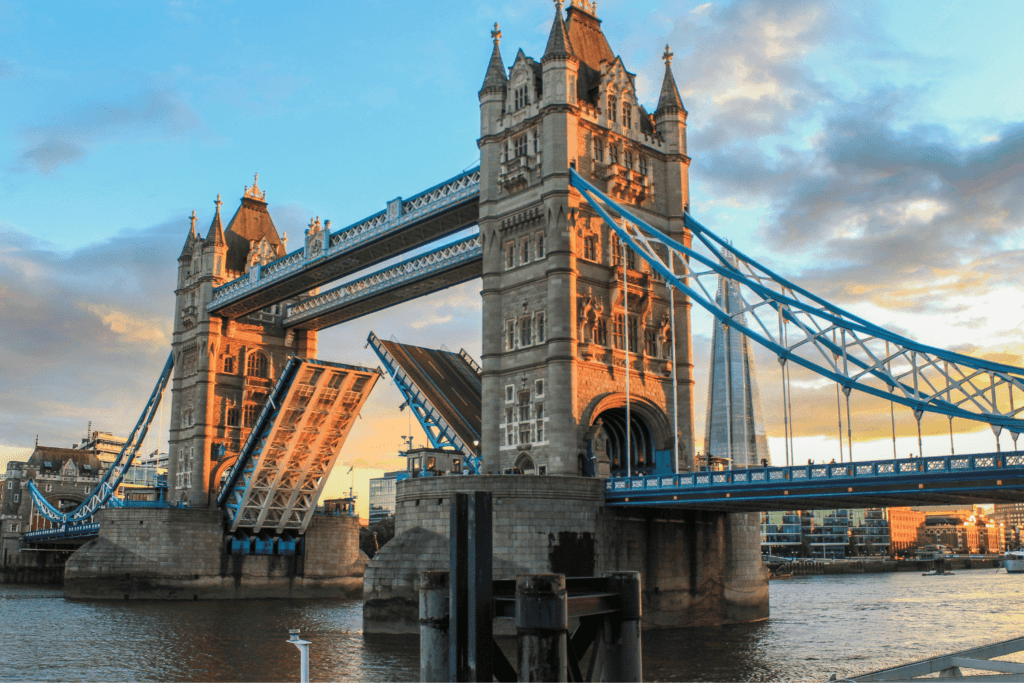
One of the best walking routes along the River Thames in London is the Thames Path from the Tower of London to Westminster. This scenic route offers a blend of iconic landmarks and stunning riverside views. Starting at the historic Tower of London, the path takes you past the majestic Tower Bridge, offering panoramic views of the city. Continuing along the South Bank, you’ll pass by City Hall, HMS Belfast, and the vibrant Borough Market. As you stroll further, the path leads to the cultural hub of the Southbank Centre, the London Eye, and finally, the majestic Houses of Parliament and Big Ben. This walk showcases some of London’s most famous sights, combining history, culture, and picturesque scenery in a leisurely riverside experience.
Shoreditch neighborhood – street art and vegan food
Shoreditch, a trendy neighborhood in East London, is renowned for its vibrant street art and burgeoning vegan food scene. The area is a dynamic canvas, with colorful murals and graffiti by acclaimed artists like Banksy and ROA adorning its walls. This artistic vibe extends to its diverse culinary landscape, where vegan cafes and restaurants thrive. Spots like Dauns and Brick Lane offer an array of plant-based delights, from vegan burgers and sushi to artisanal pastries. Shoreditch seamlessly blends creativity and gastronomy, making it a hotspot for those seeking cutting-edge street art and delicious vegan cuisine.
Day 4-6: Paris, France (3 Week Itinerary for Europe)
- Take the Eurostar to Paris, the City of Lights. Spend your days admiring the Eiffel Tower, Louvre Museum, and Notre-Dame Cathedral. Wander through Montmartre, visit Versailles, and indulge in delicious French cuisine at local bistros.
Eiffel Tower
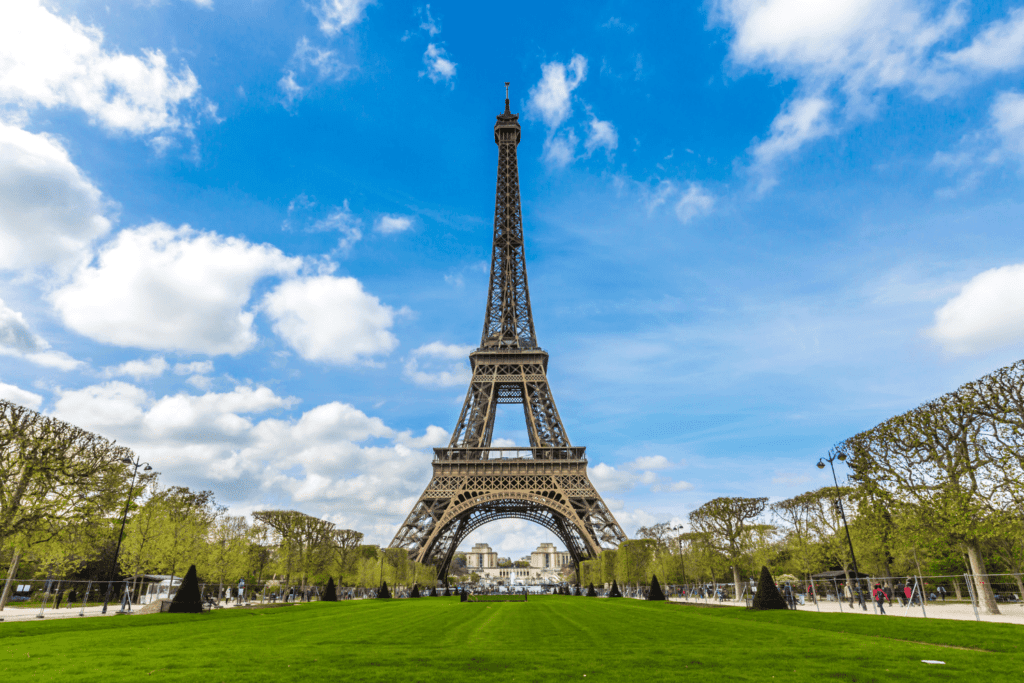
The Eiffel Tower, an iconic symbol of Paris and one of the world’s most recognizable landmarks, stands tall on the Champ de Mars near the Seine River. Completed in 1889 for the Exposition Universelle, it was initially met with criticism but has since become a beloved global icon. Designed by engineer Gustave Eiffel, the wrought-iron lattice tower rises 324 meters, offering breathtaking panoramic views of Paris from its observation decks. Millions of visitors flock to the Eiffel Tower annually, drawn by its architectural marvel, historical significance, and the romantic allure of the City of Lights.
Louvre Museum
The Louvre Museum is the world’s largest and most visited art museum. Housed in a historic palace that dates back to the 12th century, the Louvre boasts an unparalleled collection of art and artifacts spanning thousands of years. Among its vast treasures are masterpieces such as the Mona Lisa, the Venus de Milo, and the Winged Victory of Samothrace. The museum’s impressive galleries and stunning glass pyramid entrance make it a cultural icon and a must-visit destination for art enthusiasts and tourists alike. The Louvre offers a profound journey through human history and creativity, drawing millions of visitors each year.
Notre-Dame Cathedral
Notre-Dame Cathedral, an architectural masterpiece located on the Île de la Cité in Paris, is one of the most famous Gothic cathedrals in the world. Completed in the 14th century, it is renowned for its stunning facade, intricate sculptures, and magnificent stained glass windows, particularly the rose windows. The cathedral’s twin towers and the iconic spire, which tragically collapsed during the 2019 fire, have long been symbols of Paris. Notre-Dame’s rich history, including its role in Victor Hugo’s novel “The Hunchback of Notre-Dame,” and its religious significance, continue to draw millions of visitors each year, eager to admire its grandeur and learn about its storied past.
Montmartre
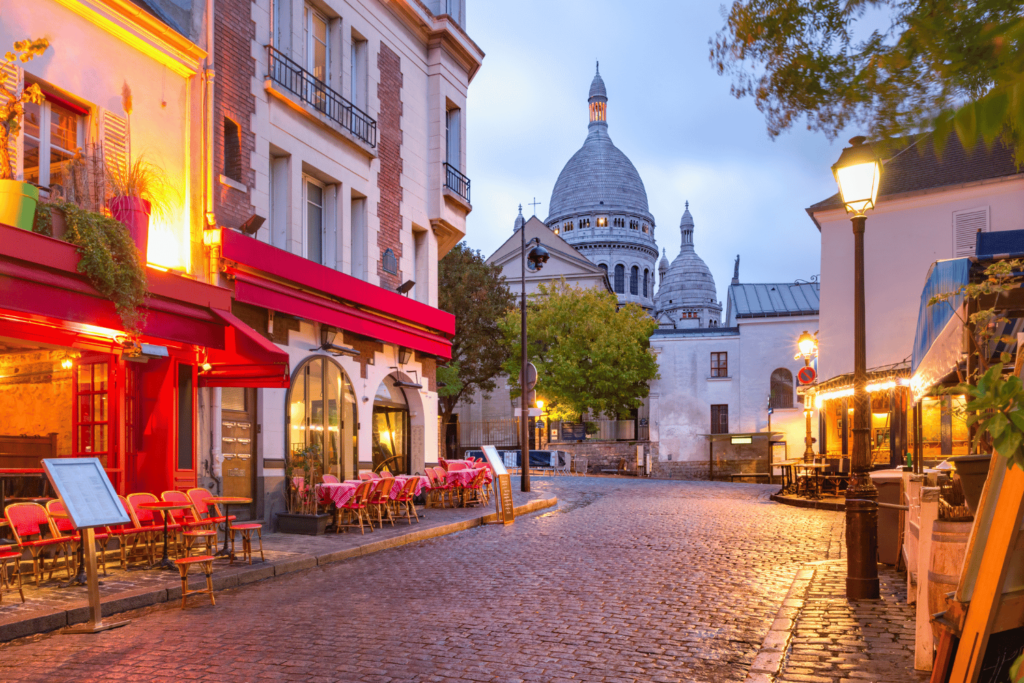
Montmartre, located in the northern part of Paris, is a historic neighborhood known for its bohemian atmosphere and artistic heritage. Famous for its white-domed Basilica of the Sacré-Cœur, which offers stunning views of the city, Montmartre has long been a haven for artists, including Pablo Picasso and Vincent van Gogh. Its winding cobblestone streets, charming cafes, and lively squares like Place du Tertre evoke a nostalgic Parisian ambiance. Visitors flock to Montmartre to explore its art studios, galleries, and the vibrant Montmartre Cemetery, where many notable figures are buried. This neighborhood captures the essence of Parisian creativity and remains a beloved destination for both locals and tourists seeking inspiration and charm.
Versailles
Versailles, located just outside Paris, is synonymous with the opulence and grandeur of the French monarchy. The Palace of Versailles, built during the reign of Louis XIV in the 17th century, is a masterpiece of French Baroque architecture and a UNESCO World Heritage site. It served as the royal residence and seat of power until the French Revolution in 1789. The palace’s Hall of Mirrors, adorned with 357 mirrors, is one of its most famous features, reflecting the wealth and extravagance of the era. The vast gardens of Versailles, meticulously designed by André Le Nôtre, encompass fountains, sculptures, and the Grand Canal, offering a glimpse into the royal lifestyle and a stunning backdrop for visitors today. Versailles remains a symbol of France’s cultural heritage and a must-visit destination for its historical significance and architectural splendor.
Day 7-8: Brussels, Belgium (3 Week Itinerary for Europe)
- Travel to Brussels for a taste of Belgian chocolate, waffles, and beer. Travel via train in 1.5 hours from Paris. Explore the Grand Place, Atomium, and visit the European Parliament. Take a day trip to Bruges for its picturesque canals and medieval architecture.
Grand Palace
The Grand Palace (or Grote Markt) in Brussels, Belgium, stands as a UNESCO World Heritage site and is one of the city’s most iconic landmarks. Surrounded by opulent guild halls and the Gothic beauty of the Town Hall, the Grand Palace serves as the heart of Brussels’ historic center. Dating back to the 15th century, its cobblestone square is a hub of activity, hosting cultural events, markets, and cafes that offer visitors a taste of Belgian hospitality. Illuminated at night, the Grand Palace dazzles with its architectural splendor and serves as a testament to Brussels’ rich cultural and architectural heritage.
Atomium
The Atomium, an architectural marvel in Brussels, Belgium, is a striking representation of scientific progress and innovation. Built for the 1958 Brussels World’s Fair (Expo 58), this iconic structure resembles a giant iron crystal magnified 165 billion times. Composed of nine interconnected spheres, the Atomium stands 102 meters tall and offers panoramic views of Brussels from its highest sphere. Each sphere houses exhibitions that explore various aspects of science, design, and the history of the Expo. The Atomium has become a symbol of Belgium’s modernity and is a popular tourist attraction, attracting visitors with its unique design and historical significance.
European Parliament
The European Parliament, located in both Brussels, Belgium, and Strasbourg, France, is the legislative branch of the European Union (EU). Comprising representatives elected by EU citizens, the Parliament plays a crucial role in shaping EU policies and legislation across a wide range of issues, from economic governance to environmental protection. As a forum for debate and decision-making, it promotes democracy and cooperation among EU member states. The Parliament’s sessions and committees are open to the public, reflecting its commitment to transparency and accountability in European governance.
Day trip to Bruges
A day trip to Bruges from Brussels offers a delightful escape into a picturesque medieval city known for its charming canals, cobblestone streets, and well-preserved architecture. Just a short train ride away, Bruges enchants visitors with its fairy-tale ambiance and rich cultural heritage. Highlights include the UNESCO-listed historic center with landmarks like the Belfry Tower offering panoramic views, the serene Minnewater Lake, and the intricate Gothic architecture of the Church of Our Lady. Strolling along the canals or indulging in Belgian chocolate and waffles adds to the experience, making Bruges a perfect destination for a memorable day excursion from bustling Brussels.
Week 2: Central Europe Adventure
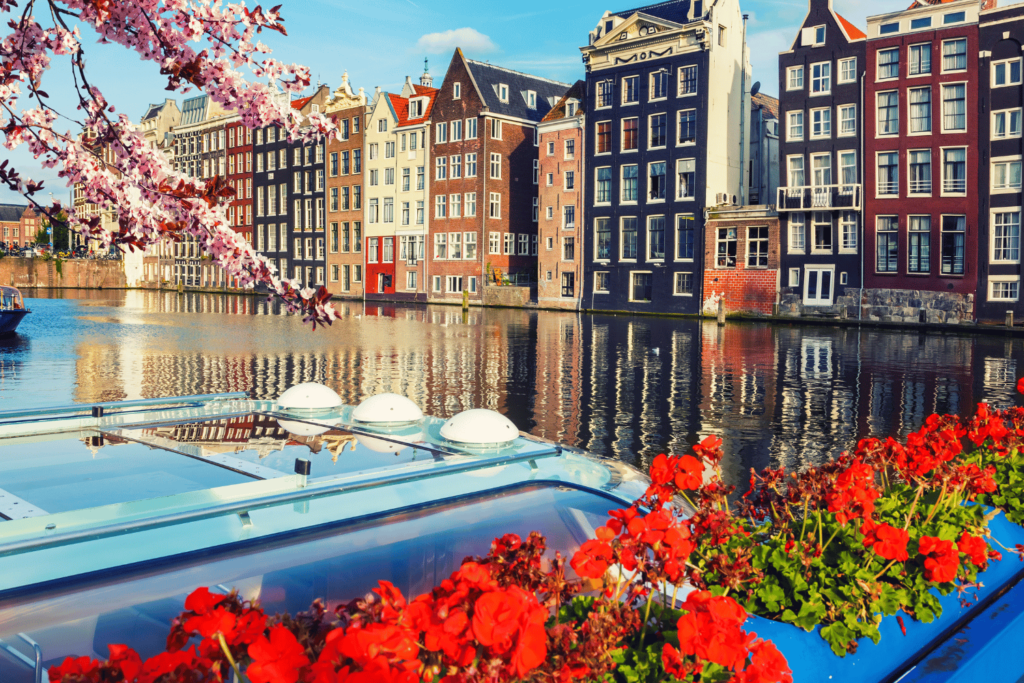
Day 9-11: Amsterdam, Netherlands
- Head to Amsterdam for its picturesque canals, museums (like the Rijksmuseum and Van Gogh Museum), and vibrant nightlife. Rent a bike to explore the city like a local and visit Anne Frank House.
Anne Frank House
The Anne Frank House is a poignant memorial to Anne Frank, a Jewish girl who hid with her family during the Nazi occupation of World War II. Her diary, kept while in hiding, became a global symbol of resilience and hope. Visitors to the museum can explore the secret annex where Anne and her family lived in hiding for over two years, experiencing the cramped quarters and gaining insights into their daily lives. The museum also documents the broader history of the Holocaust and serves as a reminder of the importance of tolerance and understanding. The Anne Frank House remains a powerful testament to the impact of war and discrimination on individuals and society as a whole.
Rijksmuseum
The Rijksmuseum is a national museum dedicated to arts and history. Founded in 1800, it houses an extensive collection of Dutch Golden Age paintings, including masterpieces by Rembrandt, Vermeer, and Frans Hals. The museum’s impressive collection spans over 800 years of Dutch history, featuring artworks, decorative arts, and historical artifacts. Its stunning architecture and central location on Museumplein make it a cultural hub and a must-visit destination for art enthusiasts and history buffs alike, offering a comprehensive glimpse into the rich artistic heritage of the Netherlands.
Van Gogh Museum
The Van Gogh Museum is dedicated to the life and works of the renowned Dutch painter Vincent van Gogh. Opened in 1973, it houses the largest collection of Van Gogh’s paintings and drawings in the world, showcasing his development as an artist from his early works to his iconic masterpieces such as “Sunflowers” and “Starry Night.” The museum also features artworks by Van Gogh’s contemporaries, providing context to his artistic journey and influence. With its engaging exhibitions and immersive displays, the Van Gogh Museum offers visitors a profound insight into the life and genius of one of history’s most celebrated artists.
Day trip to Keukenhof Flower fields (during the spring)
A day trip to Keukenhof from Amsterdam promises a breathtaking immersion into the vibrant world of tulips and Dutch horticulture. Located just a short drive away, Keukenhof is one of the world’s largest flower gardens, showcasing millions of tulips, daffodils, hyacinths, and other spring flowers in stunning displays across its expansive grounds. Visitors can wander through themed gardens, picturesque ponds, and winding paths adorned with colorful blooms, capturing unforgettable photos amid the beauty of the Dutch countryside. Keukenhof also offers exhibitions, pavilions, and guided tours that provide insights into the cultivation and history of tulips in the Netherlands. A visit to Keukenhof promises a delightful day surrounded by the splendor of nature and the charm of Dutch floral traditions.
Day 12-14: Berlin, Germany (3 Week Itinerary for Europe)
- Fly or take a train to Berlin, a city known for its artistic flair and historical significance. Visit the Berlin Wall, Brandenburg Gate, and Museum Island. Explore trendy neighborhoods like Kreuzberg and Prenzlauer Berg.
Berlin Wall
The Berlin Wall, erected in 1961 during the Cold War, stood as a stark symbol of division between East and West Germany. Stretching over 150 kilometers, it separated East Berlin controlled by the Soviet Union from West Berlin under Allied control. The wall represented ideological and political tensions, and its construction led to significant human suffering and loss of life for those attempting to cross it. Following the fall of the wall in 1989, sparked by peaceful protests and political changes, Germany was reunified, marking a historic moment in Europe’s history. Today, remnants of the Berlin Wall serve as poignant reminders of the struggle for freedom and unity, while museums and memorials in Berlin commemorate its impact on the city and its people.
Brandenburg Gate
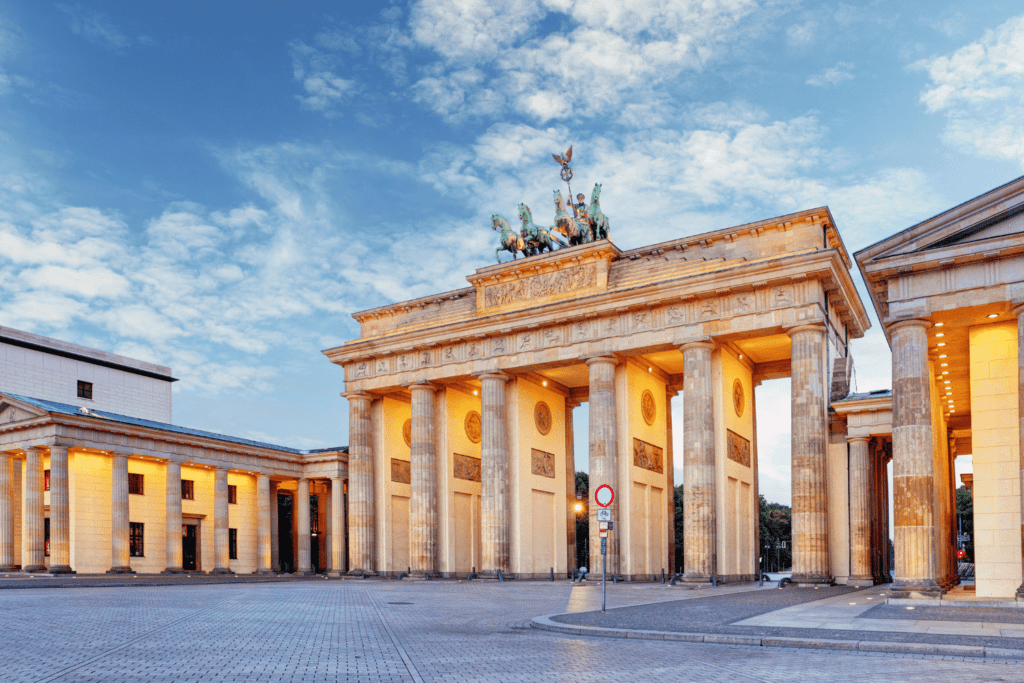
The Brandenburg Gate, located in the heart of Berlin, Germany, is an iconic symbol of the city and a testament to its tumultuous history. Built in the late 18th century, this neoclassical monument once stood as a symbol of peace and unity. However, it later became a symbol of division during the Cold War, as it stood within the no-man’s land between East and West Berlin. Following the reunification of Germany in 1990, the Brandenburg Gate regained its status as a symbol of unity and is now a popular tourist attraction and a venue for major events and celebrations. With its impressive columns and Quadriga statue atop, the Brandenburg Gate remains a powerful symbol of resilience and hope for the people of Berlin and beyond.
Museum Island
Museum Island, located in the heart of Berlin along the River Spree, is a UNESCO World Heritage site renowned for its impressive concentration of museums and cultural institutions. This unique island hosts five world-class museums: the Altes Museum, Neues Museum, Alte Nationalgalerie, Bode Museum, and Pergamon Museum. Each museum showcases a rich array of art, artifacts, and historical treasures spanning millennia and cultures. Visitors can explore ancient Egyptian artifacts, classical sculptures, European paintings, and renowned archaeological finds such as the Ishtar Gate of Babylon. Museum Island is not only a hub for art and history enthusiasts but also a symbol of Berlin’s cultural richness and historical significance.
Kreuzberg
Kreuzberg, located in the heart of Berlin, is a vibrant and multicultural neighborhood known for its lively atmosphere and diverse community. Historically a center for counterculture and activism, Kreuzberg has evolved into a trendy district with a rich blend of art, music, and culinary delights. Visitors can explore its bustling street markets, graffiti-adorned streets, and eclectic mix of cafes, bars, and restaurants offering cuisine from around the world. Kreuzberg also boasts green spaces like Görlitzer Park, where locals and visitors alike gather to relax and enjoy outdoor activities. This dynamic neighborhood embodies Berlin’s spirit of creativity, diversity, and alternative culture, making it a must-visit destination for travelers seeking an authentic Berlin experience.
Prenzlauer Berg
Prenzlauer Berg, located in the northeast of Berlin, is a trendy and vibrant neighborhood known for its bohemian charm, historic architecture, and thriving cultural scene. Once a working-class district, Prenzlauer Berg has undergone gentrification while still retaining its artistic and alternative spirit. Visitors can explore its leafy streets lined with renovated 19th-century buildings, now home to stylish boutiques, cozy cafes, and bustling beer gardens. The neighborhood also offers a rich arts and nightlife scene, with galleries, theaters, and live music venues contributing to its lively atmosphere. Prenzlauer Berg’s relaxed yet lively vibe makes it a favorite among locals and tourists alike, seeking a taste of Berlin’s creative energy and historical charm.
Day 15-16: Prague, Czech Republic (3 Week Itinerary for Europe)
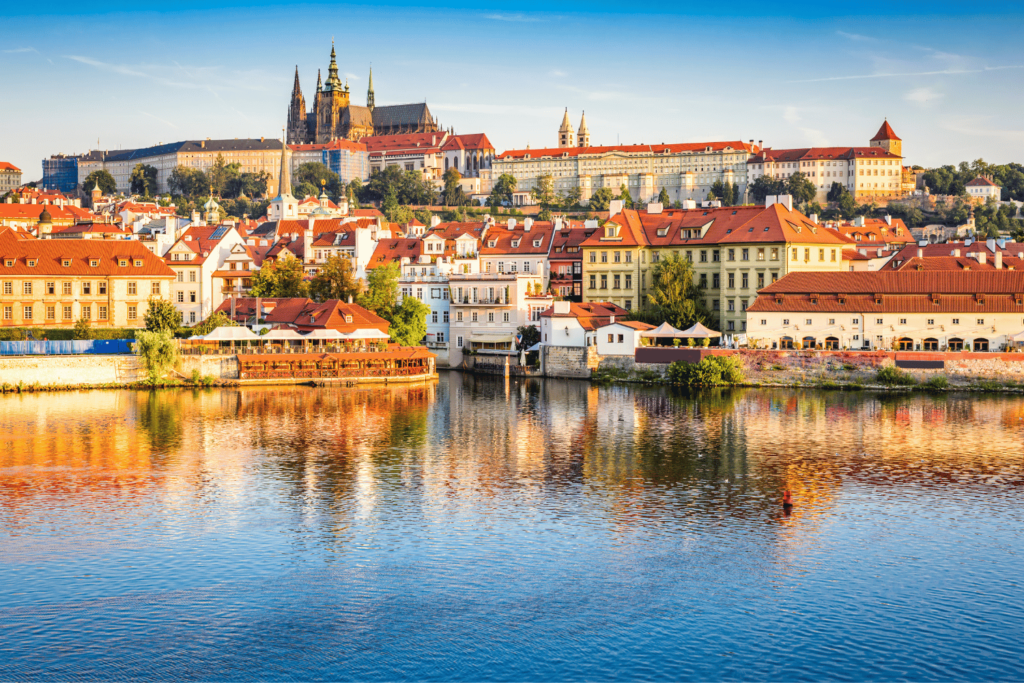
- Travel to Prague and immerse yourself in its fairy-tale charm. Visit Prague Castle, Charles Bridge, and the Old Town Square. Don’t forget to try traditional Czech dishes like veganized goulash and dumplings.
Prague Castle
Prague Castle, perched majestically above the Vltava River, is the largest ancient castle complex in the world and a defining symbol of the Czech capital’s rich history. Dating back to the 9th century, it has been the seat of Czech kings, emperors, and presidents throughout the ages. The castle’s architecture spans various styles, from Romanesque to Gothic and Baroque, reflecting its centuries of development and cultural influence. Within its walls, visitors can explore historic churches, palaces, and gardens, including the stunning St. Vitus Cathedral, the Old Royal Palace, and the picturesque Golden Lane. The panoramic views of Prague from the castle grounds are breathtaking, offering a glimpse into the city’s enchanting skyline and its blend of ancient and modern influences. Prague Castle remains a must-visit destination for those eager to immerse themselves in the grandeur and history of the Czech Republic.
Charles Bridge
Charles Bridge, spanning the Vltava River in Prague, Czech Republic, is a historic and picturesque symbol of the city. Built in the 14th century under the reign of King Charles IV, the bridge connects the Old Town with the Lesser Town (Malá Strana) and has been a vital link for centuries. Lined with 30 statues of saints and boasting Gothic-style towers at each end, Charles Bridge is a masterpiece of medieval architecture and a popular pedestrian thoroughfare. Its cobblestone pathway offers stunning views of Prague Castle, the Vltava River, and the city’s historic skyline. The bridge is not only a historic landmark but also a vibrant hub of artists, musicians, and vendors, creating a lively atmosphere that attracts visitors from around the world to marvel at its beauty and soak in its rich history.
Old Town Square
Old Town Square (Staroměstské náměstí) in Prague is a historic hub surrounded by stunning architecture that reflects centuries of Czech history. Dominated by the impressive Gothic spires of the Church of Our Lady before Týn and the iconic Astronomical Clock on the Old Town Hall, the square is a focal point for both locals and tourists. Lined with colorful baroque buildings and bustling with street performers, vendors, and outdoor cafes, it offers a vibrant atmosphere day and night. The square is also home to the Jan Hus Memorial and the monument of religious reformer Jan Hus, adding a touch of historical significance. Old Town Square is a must-visit destination in Prague, encapsulating the city’s charm, culture, and architectural splendor in one iconic location.
Week 3: Southern Europe Discovery (3 Week Itinerary for Europe)
Day 17-19: Rome, Italy (probably the most popular destination)
- Fly to Rome and explore ancient ruins such as the Colosseum, Roman Forum, and Pantheon. Visit Vatican City, home to St. Peter’s Basilica and the Sistine Chapel. Indulge in gelato and pasta in Trastevere.
Colosseum
The Colosseum, located in the heart of Rome, Italy, is an ancient amphitheater that stands as a symbol of the grandeur and engineering prowess of the Roman Empire. Completed in AD 80, it was used for gladiatorial contests and public spectacles, accommodating up to 80,000 spectators. The Colosseum’s elliptical shape and tiered seating, along with its intricate system of corridors and chambers, showcase the advanced architectural techniques of its time. Despite centuries of damage and pillaging, it remains one of the most iconic and visited landmarks in the world, attracting millions of tourists annually who come to admire its monumental structure and immerse themselves in the history of ancient Rome.
Roman Forum
The Roman Forum, situated in the center of ancient Rome, is a sprawling archaeological site that served as the political, religious, and commercial hub of the city for centuries. From the republican period through the imperial era, it was the site of public gatherings, elections, and the administration of justice. Surrounded by ruins of temples, basilicas, and government buildings such as the Curia Julia and the Temple of Saturn, the Forum offers a glimpse into the daily life and grandeur of ancient Rome. Visitors can explore remnants of triumphal arches and columns, imagining the bustling marketplace and vibrant civic life that once thrived in this historic precinct. The Roman Forum stands as a testament to the enduring legacy of Roman civilization and remains a captivating attraction for history enthusiasts and tourists from around the globe.
Pantheon
The Pantheon in Rome is an architectural marvel renowned for its impressive dome and rich history. Built by Emperor Hadrian around 126 AD, it originally served as a temple dedicated to all Roman gods. The Pantheon’s most distinctive feature is its massive concrete dome, which was the largest of its kind when it was built and remains the world’s largest unreinforced concrete dome to this day. The dome is open at the top, creating a famous oculus that allows sunlight and rain to enter the interior. Over the centuries, the Pantheon has been repurposed as a Christian church, contributing to its preservation and status as one of the best-preserved ancient Roman buildings. Visitors marvel at its grandeur, intricate marble interiors, and the interplay of light and space that define this enduring symbol of Roman architecture and engineering prowess.
Vatican City
Vatican City, the smallest independent state in the world, is located within Rome, Italy. It serves as the headquarters of the Roman Catholic Church and is the residence of the Pope. This sovereign city-state is renowned for its religious and cultural significance, housing iconic landmarks such as St. Peter’s Basilica, the largest church in the world, and the Vatican Museums, home to priceless art collections including Michelangelo’s Sistine Chapel ceiling. The Vatican’s rich history, spiritual importance, and architectural splendor make it a must-visit destination for millions of pilgrims and tourists seeking to explore the heart of Catholicism and marvel at its artistic treasures.
Trastevere neighborhood
Trastevere, located across the Tiber River from Rome’s historic center, is a charming neighborhood known for its narrow cobblestone streets, medieval architecture, and lively atmosphere. Once a working-class district, Trastevere has evolved into a trendy area filled with artisan shops, cozy cafes, and traditional Roman trattorias. Visitors can wander through its winding alleys, adorned with colorful ivy-clad buildings and hidden squares, immersing themselves in its authentic Roman ambiance. At night, Trastevere comes alive with bustling nightlife, offering bars and music venues that attract locals and tourists alike. The neighborhood’s blend of history, culture, and vibrant street life makes it a beloved destination for those seeking an authentic Roman experience away from the city’s main tourist hubs.

Day 20-21: Barcelona, Spain (3 Week Itinerary for Europe)
- End your journey in Barcelona, a city famous for its architecture (Sagrada Familia, Park Güell), beaches, and vibrant atmosphere. Explore the Gothic Quarter, enjoy tapas in La Boqueria market, and relax by the Mediterranean Sea.
Sagrada Familia
The Sagrada Família, located in Barcelona, Spain, is a masterpiece of modernist architecture designed by renowned Catalan architect Antoni Gaudí. Construction of this basilica began in 1882 and continues to this day, funded solely by private donations and ticket sales. Gaudí’s unique vision is evident in the Sagrada Família’s intricate facades, soaring towers, and organic forms inspired by nature. The basilica’s interior is bathed in natural light filtered through colorful stained glass windows, creating a breathtaking kaleidoscope effect. The Sagrada Família is not just a place of worship but also a symbol of Barcelona’s artistic and cultural identity, drawing millions of visitors annually who come to marvel at its beauty and contemplate its ongoing evolution as a UNESCO World Heritage site.
Park Guell
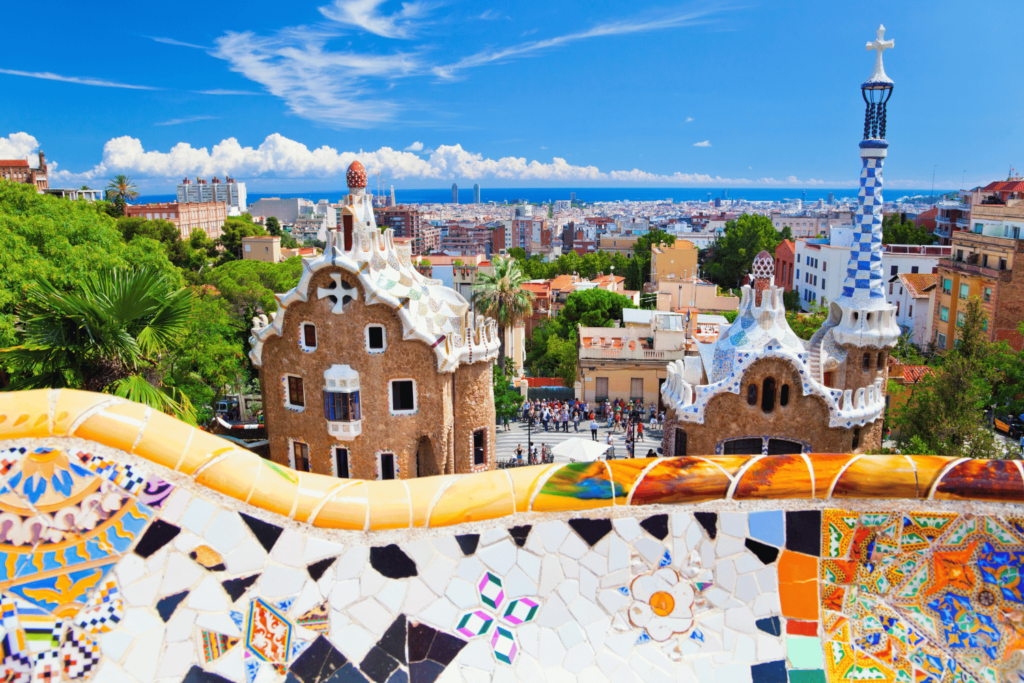
Park Güell, located in Barcelona, Spain, is a vibrant public park designed by Antoni Gaudí, the renowned Catalan architect. Created between 1900 and 1914, the park was originally envisioned as a residential development inspired by English garden cities, but it was later converted into a public park. Park Güell showcases Gaudí’s distinctive style, characterized by whimsical and colorful mosaic tile work, organic shapes, and innovative architectural techniques. Visitors can explore the park’s winding pathways, covered galleries, and unique structures, including the iconic mosaic dragon fountain and the undulating serpentine bench adorned with colorful ceramic pieces. The park offers panoramic views of Barcelona and the Mediterranean Sea from its elevated terraces, providing a tranquil retreat and a fascinating glimpse into Gaudí’s artistic genius and his contribution to modernist architecture.
Barceloneta beach
Barceloneta Beach is a popular seaside destination renowned for its vibrant atmosphere and golden sands. Situated just a short walk from the city center, this bustling beach offers a picturesque backdrop of the Mediterranean Sea and the iconic W Hotel. Visitors can enjoy a variety of activities, from sunbathing and swimming to beach volleyball and water sports. Along the lively promenade, there are numerous restaurants, cafes, and bars where visitors can savor amazing dishes and refreshing drinks with views of the sea. Barceloneta Beach is not only a favorite spot for locals seeking relaxation and recreation but also a must-visit destination for tourists looking to experience Barcelona’s vibrant beach culture and coastal charm.
Gothic quarter
The Gothic Quarter (Barri Gòtic) is a historic neighborhood characterized by its labyrinthine streets, medieval architecture, and rich cultural heritage. Dating back over 2,000 years, it is one of the oldest parts of the city and retains remnants of its Roman and medieval past, including portions of the old Roman walls. Visitors can wander through narrow alleys lined with Gothic churches, charming squares like Plaça del Rei, and historic buildings such as the Barcelona Cathedral. The Gothic Quarter is also home to lively cafes, trendy boutiques, and hidden gems waiting to be discovered around every corner. With its blend of history, art, and vibrant street life, the Gothic Quarter offers a captivating glimpse into Barcelona’s captivating past and present.
If you have extra time, consider adding one of my favorite places – Cinque Terre.
Cinque Terre (3 Week Itinerary for Europe)
Cinque Terre, located on the rugged Italian Riviera coastline, is a collection of five picturesque villages: Monterosso al Mare, Vernazza, Corniglia, Manarola, and Riomaggiore. These colorful villages are nestled among steep terraces of vineyards and olive groves, overlooking the turquoise waters of the Ligurian Sea. Known for their charm, narrow cobblestone streets, and pastel-colored houses, the Cinque Terre villages are connected by scenic hiking trails that offer breathtaking views of the coastline and the surrounding cliffs. Each village retains its unique character and traditions, while collectively they are a UNESCO World Heritage site and a haven for visitors seeking authentic Italian coastal beauty, fresh seafood, and a relaxed Mediterranean atmosphere.
Practical Tips for Your Journey
- Transportation: Consider a Eurail pass for convenient train travel between major cities. Budget airlines like EasyJet and Vueling offer affordable flights for longer distances.
- Accommodation: Book hotels or apartments in advance, especially during peak tourist seasons. Hostels are a budget-friendly option for solo travelers or groups.
- Packing: Pack light and versatile clothing suitable for both city exploration and cultural sites. Comfortable walking shoes are essential. I HIGHLY recommend that you only travel using a small/medium backpack. It’ll be so much easier to get around especially on public transportation on your travel day.
- Budgeting: Plan a daily budget that includes accommodation, meals, transportation, and activities. Some museums offer free entry on certain days or evenings. Another great way to explore these destinations is by taking a free walking tour or a local tour with affordable prices.
- Cultural Etiquette: Research local customs and greetings to respect cultural norms in each country. Learn a few basic phrases in the local language to enhance your experience.
Best time to go to Europe for 3 weeks
The best time to visit Europe for a three-week trip largely depends on personal preferences and the activities you plan to enjoy. Generally, late spring (May to early June) and early fall (September to October) are ideal times as there will be fewer crowds and good weather. During these months, the weather is usually mild and pleasant across most of Europe, making it perfect for exploring cities, sightseeing, and enjoying outdoor activities. The summer months (July and August) is peak season. They can be busy and hot in popular tourist destinations, but they offer longer daylight hours and vibrant cultural events. Winter (December to February) is ideal for skiing in the Swiss Alps or enjoying festive markets, but some attractions may have reduced hours or be closed. Ultimately, the best time to visit Europe depends on your interests, desired activities, and tolerance for crowds and weather conditions.
Crafting the ultimate three-week itinerary for Europe allows you to immerse yourself in the continent’s rich history, diverse cultures, and breathtaking landscapes. Whether you’re captivated by the art of Paris, the history of Rome, or the architecture of Barcelona, this itinerary ensures you experience the best that Europe has to offer. Plan ahead, embrace spontaneity, and get ready for an unforgettable journey across this fascinating continent. Happy travels!
This post contains affiliate links, which means I’ll receive a commission if you purchase through my link. This is at no extra cost to you.
We would be thrilled if you would use our Affiliate links attached here. If you buy something using our links, we receive a small commission. This helps us to continue creating amazing content on the blog for free. Thank you so much!
AFFILIATE LINKS – CLICK HERE
THE 5 ITEMS WE WERE SO HAPPY TO HAVE FOR ALL OF OUR TRIPS:
- Merrell women’s light hiking shoes – these are amazing because they are lightweight, but are extra grippy and helpful! I also have this pair that I always get compliments on: Merrell Rainbow shoes. Fernando loves his Asics trail runners which are also grippy and perfect for walking on cobblestone streets.
- Thermoflask water bottle – like a Hydroflask, but more affordable! We don’t go anywhere without these water bottles full of purified water.
- North Face Aphrodite 2.0 capris – Seriously, I wear these pants every.single.day! I couldn’t live without these ultra-comfy, lightweight pants that dry so quickly. They are 100% worth the money!
- Osprey Day Pack – this is an awesome lightweight backpack! We easily put the belongings we need at hand for traveling around the city and on public transportation.
- Travel-friendly chewable toothpaste tablets – these are so fantastic for keeping your teeth clean on the go!
OUR FAVORITE EUROPEAN SERVICES:
- DISCOVER CARS – If you want to rent a car while traveling, then check out Discover Cars. We frequently rent cars and they always have the best prices and great quality vehicles.
- iTalki – do you want to learn another language before traveling to Europe? Then, we recommend iTalki. We highly recommend their language services.
- NORD VPN – perfect to use your technology in other countries!
RELATED POSTS:
22 Travel Hacks to Save Money While Traveling
Top 11 Travel Essentials to Pack
The Best Things to Do in Rome, Italy
20 Best Things to Do in Florence, Italy




Leave a Reply