
The Perfect 2-Week Itinerary for Spain, Portugal, and Morocco
Embark on a captivating two-week adventure through Spain, Portugal, and Morocco, where history, culture, and incredible vegan cuisine await at every turn. This itinerary balances bustling cities, scenic landscapes, and a touch of North African charm.
Embarking on an unforgettable journey through Portugal, Spain, and Morocco is the perfect way to experience a rewarding cultural experience across two continents. This epic itinerary takes you from the sunlit shores of the Atlantic Ocean to the vibrant colors of the Red City of Marrakesh, immersing you in the rich history and traditions of the Iberian Peninsula and the African continent. Explore the narrow lanes of ancient medinas, stand in awe at UNESCO World Heritage Sites, and marvel at lavish palaces like the Bahia Palace in Morocco and the Nasrid Palace in Spain. Whether enjoying an included sightseeing tour of the Plaza Mayor in Madrid, savoring a traditional meal at a local restaurant, or taking in the beauty of the Tagus River in Lisbon, this adventure promises something for every traveler.
Amazing Trip to Spain, Portugal and Morocco
Step into a world where the charm of the European continent meets the allure of North Africa on an epic journey through Portugal, Spain, and Morocco. This adventure takes you to the main sights of each destination, from the bustling streets of Barcelona and Seville to the old town medinas of Morocco. Along the way, you can meet a local guide who will lead you on a walking tour through ancient alleys steeped in cultural heritage, where tales of Moorish kings and centuries-old traditions come alive. Whether marveling at the grandeur of a royal palace or exploring exotic palaces, you’ll gain a deeper understanding of the region’s history through the insights of local experts.
For lovers of travel and classic films, you can take a guided Morocco tour that offers a touch of romance and nostalgia, conjuring images of Humphrey Bogart and Ingrid Bergman in “Casablanca.” In Spain, immerse yourself in a guided tour of iconic landmarks or take a short walk to savor the vibrant flavors of a culinary adventure. With full day itineraries and centrally located accommodations, you’ll have plenty of time to explore at your own pace. There’s no better way to experience the UNESCO World Heritage Sites, rich traditions, and stunning architecture that make this journey a good time for travelers seeking a harmonious blend of history, culture, and adventure.
How to get to Barcelona
Barcelona is a major international hub, and getting there depends on where you’re traveling from. Here are the primary options:
By Air
- El Prat Airport (BCN): Barcelona’s main airport is well-connected to cities worldwide. Most international flights land here.
- Transportation from the Airport:
- Aerobús: Direct shuttle to the city center, stopping at Plaça Catalunya.
- Metro: Line L9 Sud connects the airport to various metro lines.
- Taxi: Convenient and takes about 25–30 minutes to the city center.
- Train: Renfe trains connect Terminal 2 to Barcelona-Sants and other central stations.
Via Train
- High-Speed Train (AVE): If you’re coming from other Spanish cities like Madrid, Seville, or Valencia, the AVE train is fast and efficient, arriving at Barcelona Sants Station. Use this link to book tickets ahead of time.
- International Train: Direct services from France via TGV and other European cities.
By Bus
- Long-Distance Buses: Operators like Alsa or FlixBus provide services to Barcelona from Spain and neighboring countries. Most buses stop at Estació del Nord.
Via Car
- Barcelona is accessible via highways such as:
- AP-7: From France and other parts of Spain.
- C-32 and C-31: Connecting nearby regions and the coast.
- Parking in the city can be challenging, so consider pre-booking a spot or using public transport once you arrive.
By Ferry
- Barcelona’s port connects to Mediterranean destinations like Mallorca, Ibiza, and Genoa. Ferries are a scenic way to arrive, with terminals close to the city center.
Two-week Itinerary for Spain, Portugal and Morocco
Day 1-3: Barcelona, Spain
Where to Stay in Barcelona:
What to Do in Barcelona:
- Wander through the whimsical world of Antoni Gaudí at Park Güell and Sagrada Familia.
- Stroll down La Rambla and explore the Gothic Quarter.
- Relax on the shores of Barceloneta Beach on the azure Mediterranean Sea. Or take this amazing catamaran cruise.
Vegan Eats in Barcelona:
- Pastan: A beloved spot with a creative vegan menu. My absolute favorite restaurant in Barcelona!
- Veggie Garden: Affordable and flavorful vegan fare near the city center.
Related Post: The Official Travel Guide to Barcelona

Day 4-6: Seville, Spain
How to get to Seville from Barcelona
Traveling from Barcelona to Seville is straightforward, with several options depending on your preference for speed, cost, and convenience:
By Train
- AVE High-Speed Train:
- Time: ~5.5 hours.
- Cost: €70–€150 (depending on how early you book and the class).
- Station: Trains depart from Barcelona Sants and arrive at Sevilla Santa Justa.
- Booking: Available via Renfe’s website or train booking platforms like Omio or Rail Europe.
- Pros: Comfortable, scenic, and avoids airport hassles.
Via Flight
- Airlines: Airlines like Vueling, Iberia, and Ryanair operate direct flights.
- Time: ~1.5 hours flight time, but factor in additional time for airport security and transfers.
- Airports:
- Depart from Barcelona El Prat Airport (BCN).
- Arrive at Seville Airport (SVQ).
- Cost: €30–€150 (depending on how early you book).
- Transportation from Seville Airport: The airport is about 20 minutes from the city center by taxi or EA (Especial Aeropuerto) bus.
By Bus
- Operators: Alsa and other long-distance companies.
- Time: ~14–16 hours.
- Cost: ~€40–€70.
- Pros: Affordable option for budget travelers.
- Cons: Significantly slower than other options.
Via Car
- Distance: ~1,000 km (620 miles).
- Time: ~9–10 hours.
- Route: Take the AP-7 and A-4 highways.
- Cost: Consider fuel and tolls.
- Pros: Offers flexibility and the opportunity to stop in cities like Valencia or Granada.
Best Option:
The AVE high-speed train is ideal for most travelers, combining speed and comfort. Flights can be faster for those short on time, while buses or driving may suit budget or road-trip enthusiasts.
Where to Stay in Sevilla:
What to Do in Seville:
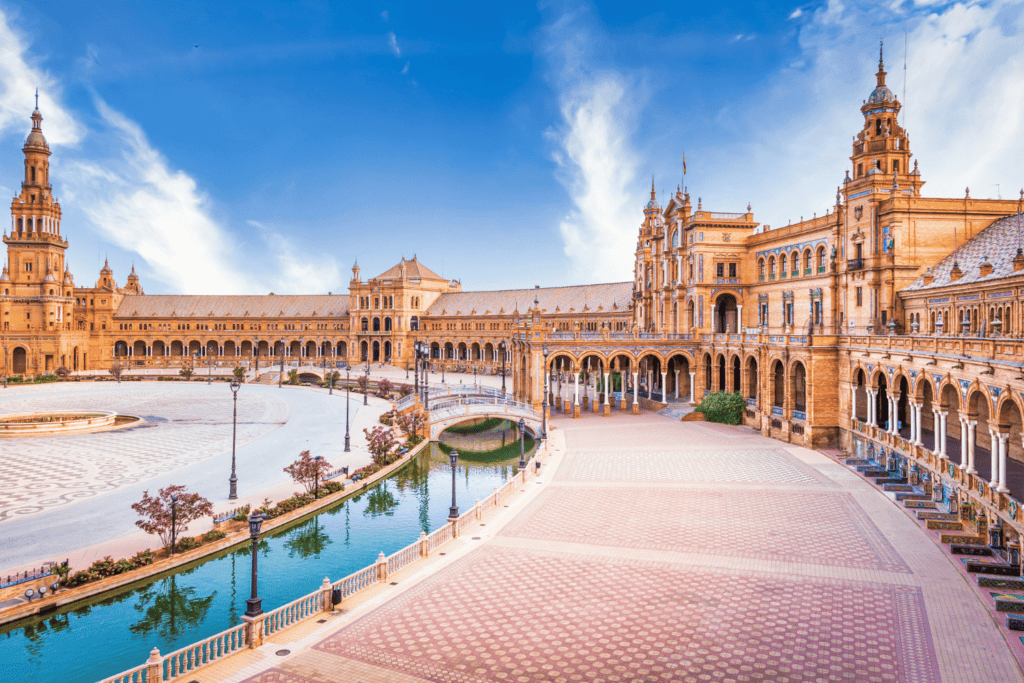
- Admire the stunning Plaza de España and its mosaic tiles.
- Walk on the top of the Setas de Seville. This is my favorite thing to do!
- Take a leisurely walk through the Alcázar of Seville, a UNESCO World Heritage Site.
- Enjoy an evening flamenco show in the Triana district.
Vegan Eats in Seville:
- Veganitessen: Casual dining with delicious vegan tapas.
- Gaia Bar: A cozy café with a varied vegan menu.
related post: the 15 best things to do in seville spain
Day 7-10: Lisbon, Portugal
How to get to Lisbon from Seville
Traveling from Seville to Lisbon offers a variety of options depending on your priorities for speed, cost, and comfort. Here’s an overview of the best ways to make the journey:
By Bus
- Operators: Alsa, FlixBus, and Rede Expressos offer direct services.
- Time: ~6–7 hours.
- Cost: €20–€40 (prices vary by operator and how early you book).
- Departure/Arrival:
- Buses leave from Plaza de Armas Bus Station in Seville.
- Arrive at Sete Rios or Oriente Bus Station in Lisbon.
- Pros: Affordable and convenient. Direct routes available.
Via Train
- Option: There are no direct high-speed trains between Seville and Lisbon. The route requires multiple connections and can be time-consuming.
- Alternative: You could take a train to Huelva, followed by a bus or transfer to Lisbon.
- Time: ~8–10 hours, depending on connections.
- Pros: Scenic journey for those who enjoy train travel, but less convenient than other options.
By Flight
- Airlines: TAP Air Portugal and Ryanair operate direct flights.
- Time: ~1 hour flight time, but factor in airport transfers and security (~3–4 hours total).
- Cost: €30–€150 (depending on booking time and airline).
- Airports:
- Depart from Seville Airport (SVQ).
- Arrive at Lisbon Airport (LIS).
- Transportation from Lisbon Airport: Metro, buses, or taxis connect the airport to the city center in ~20 minutes.
- Pros: Fastest option.
Via Car
- Distance: ~450 km (280 miles).
- Time: ~4.5–5 hours.
- Route: Take the A-66 and A6 highways. The roads are well-maintained, and the drive is scenic.
- Cost: Consider fuel and tolls.
- Pros: Flexibility to explore stops like Évora or Faro along the way.
Best Option:
- Budget-Friendly: Take a direct bus for affordability and simplicity.
- Time-Saving: Fly for the fastest journey.
- Adventurous: Drive if you’d like to explore the countryside.
Where to Stay in Lisbon:
What to Do in Lisbon:
- Take in panoramic views from Miradouro da Senhora do Monte.
- Explore the charming alleys of Alfama and make your way to Miradouro Portas do Sol.
- Visit Belém Tower and the Monastery of Jerónimos.
Vegan Eats in Lisbon:
- Ao 26 – Vegan Food Project: Creative takes on Portuguese classics.
- Kong: Casual dining with a delicious vegan menu, including my favorite, Bitoque.
related post: the best things to do in lisbon portugal

Day 10-12: Porto, Portugal
How to get to Porto from Lisbon
Traveling from Lisbon to Porto is quick and convenient, with several excellent options depending on your budget and preference. Here’s how you can make the journey:
By Train
- Service: High-speed trains operated by Comboios de Portugal (CP).
- Time: ~2.5–3 hours.
- Cost: €20–€40 (book in advance for lower prices).
- Departure/Arrival:
- Depart from Lisbon Oriente or Santa Apolónia station.
- Arrive at Porto Campanhã station (connect to the city center via local trains or metro).
- Pros: Comfortable, scenic, and frequent departures.
Via Bus
- Operators: Rede Expressos, FlixBus, and other companies.
- Time: ~3.5–4 hours.
- Cost: €10–€25 (depending on the operator and booking time).
- Departure/Arrival:
- Depart from Sete Rios or Oriente Bus Station in Lisbon.
- Arrive at Campo 24 de Agosto or Boavista in Porto.
- Pros: Budget-friendly with modern, comfortable buses.
By Flight
- Airlines: TAP Air Portugal, Ryanair, and other carriers operate flights.
- Time: ~1 hour flight time (~3 hours total, including airport procedures).
- Cost: €25–€100 (depending on booking time and airline).
- Airports:
- Depart from Lisbon Airport (LIS).
- Arrive at Porto Airport (OPO).
- Transportation from Porto Airport: Metro Line E connects the airport to the city center in ~30 minutes.
- Pros: Fastest option, ideal for tight schedules.
Via Car
- Distance: ~310 km (193 miles).
- Time: ~3 hours.
- Route: Take the A1 highway for the most direct route.
- Cost: Consider tolls and fuel (approximately €50–€70).
- Pros: Flexibility to stop at cities like Coimbra or Aveiro along the way.
Best Option:
- Fast & Comfortable: Take the train for a scenic and efficient journey.
- Budget-Friendly: Opt for a bus if you’re looking to save.
- Adventurous: Drive if you’d like to explore stops along the route.
Where to Stay in Porto:
What to Do in Porto:
- Sip on vegan-friendly Port wine at a riverside winery or do a Port/Fado show.
- Marvel at the intricate tile work of Livraria Lello and São Bento Station.
- Stroll along the Dom Luís I Bridge and enjoy the sunset over the Douro River.
Vegan Eats in Porto:
- DaTerra: A buffet-style vegan restaurant with fresh and flavorful dishes.
- Black Mamba: Known for its vegan burgers and desserts.
related post: why porto is such an enchanting, magical city

Day 12-14: Marrakech, Morocco
How to get to Marrakech from Porto
Traveling from Porto to Marrakech involves crossing continents, but it’s a straightforward journey thanks to flight connections. Here’s how to make the trip:
Via Flight
The fastest and most convenient way to travel from Porto to Marrakech is by air.
- Airlines: Ryanair, TAP Air Portugal, and other carriers offer direct flights.
- Time: ~2.5–3 hours for a direct flight.
- Cost: €50–€200 (depending on booking time, season, and airline).
- Airports:
- Depart from Porto Airport (OPO).
- Arrive at Marrakech Menara Airport (RAK).
- Transportation from Marrakech Airport:
- Taxi: ~10–15 minutes to the city center (agree on a fare beforehand or use a metered taxi).
- Bus: The L19 airport shuttle operates to Jemaa el-Fnaa and other key areas in Marrakech.
By Connecting Flights
If no direct flights are available on your preferred travel dates:
- Layovers: Common connections are through Lisbon (TAP or Ryanair) or Madrid (Iberia or Vueling).
- Total Travel Time: ~5–8 hours, including layover.
Via Train and Ferry (Alternative Adventure Route)
For those seeking a more scenic and adventurous journey:
- Train from Porto to Lisbon: ~2.5–3 hours.
- Train or Bus from Lisbon to Algeciras (Spain): ~8–10 hours.
- Ferry from Algeciras to Tangier (Morocco): ~1–2 hours.
- Train or Bus from Tangier to Marrakech: ~8–10 hours.
Pros: A unique and scenic experience across Spain and Morocco.Cons: Time-intensive and more expensive than flying.
Best Option:
For most travelers, a direct flight from Porto to Marrakech is the quickest, easiest, and most cost-effective method.
Where to Stay in Marrakech:
What to Do in Marrakech:
- Wander through the vibrant Jemaa el-Fnaa square.
- Visit the lush Majorelle Garden and Berber Museum.
- Get lost in the intricate alleys of the Medina and shop at the souks.
Vegan Eats in Marrakech:
- Earth Café: The first vegan café in Marrakech, offering Moroccan-inspired dishes.
- Le Jardin: A tranquil spot with vegan options in a stunning courtyard setting.
Top 5 Travel Tips for Spain, Portugal and Morocco
Here are five travel tips for a trip to Spain, Portugal, and Morocco:
Tip #1: Pack for Diverse Climates:
Spain and Portugal can have varied weather depending on the region, with hot summers in cities like Seville and Lisbon, and cooler temperatures in the northern parts. Morocco can be quite hot in the summer, especially in the desert areas. Pack layers, comfortable shoes, and sunscreen to handle the different climates.
Tip #2: Language Basics:
While Spanish is the official language in Spain, many regions also have their own local languages (e.g., Catalan in Barcelona, Basque in northern Spain). In Portugal, Portuguese is the primary language, but English is widely spoken in tourist areas. In Morocco, Arabic and French are commonly spoken, but many people also understand English in the main tourist hubs.
Tip #3: Cultural Etiquette:
In Morocco, it’s respectful to dress modestly, especially in rural areas or religious sites. In Spain and Portugal, the dress code is generally more relaxed, but casual wear is fine, with a slight preference for smart attire when dining or going out in the evenings. Tipping is appreciated in all three countries, but not always mandatory—rounding up or a 5-10% tip is common in restaurants.
Tip #4: Explore Beyond the Cities:
While cities like Madrid, Lisbon, and Marrakesh are fantastic, don’t miss the charm of smaller towns and natural landscapes. In Spain, consider visiting regions like the Pyrenees or Andalusia. Portugal offers scenic hikes in Sintra and the Douro Valley, while Morocco has beautiful desert landscapes and mountain regions like the Atlas Mountains.
Tip #5: Transportation Tips:
Trains in Spain and Portugal are excellent for getting around, with high-speed options like Spain’s AVE trains and Portugal’s Alfa Pendular. In Morocco, trains are also comfortable, but buses or taxis might be better for reaching more remote locations. For navigating cities like Lisbon, Madrid, and Marrakesh, walking or using local public transport (metro, trams, buses) is often the easiest option.
If you have more time than 2 weeks, consider traveling to some of these other destinations, such as: Madrid, Costa del Sol, Strait of Gibraltar, Granada, Córdoba and other smaller towns along the way.
Best Time to Visit Spain, Portugal and Morocco
Spring (March to May): The Best Overall Time
- Why Visit: Comfortable temperatures, blooming landscapes, fewer crowds, and vibrant festivals.
- Weather:
- Spain: 15–25°C (59–77°F); mild in most regions.
- Portugal: 15–23°C (59–73°F); ideal for coastal areas and cities.
- Morocco: 20–30°C (68–86°F); pleasant in cities like Marrakech, cooler in the mountains.
- Highlights:
- Witness Spain’s famous Semana Santa (Holy Week) processions in vibrant public squares.
- Explore Portugal’s Lisbon and Porto in near perfect weather.
- Wander Marrakech’s souks without the scorching summer heat.
Summer (June to August): Great for Beaches but Beware of Heat
- Why Visit: Long days, lively festivals, and perfect beach weather.
- Weather:
- Spain: 25–35°C (77–95°F); can reach 40°C (104°F) in inland areas like Seville.
- Portugal: 22–30°C (72–86°F); cooler in coastal regions like Lisbon and Porto.
- Morocco: 35–45°C (95–113°F); very hot in Marrakech and desert areas.
- Highlights:
- Relax on Spain’s Costa del Sol or Balearic Islands.
- Enjoy Portugal’s vibrant coastal towns like Lagos and Cascais.
- Visit Morocco’s Atlas Mountains or coastal cities like Essaouira to escape the heat.
- Tips: Avoid inland cities in Spain and Morocco unless you’re accustomed to heat.
Autumn (September to November): A Close Second to Spring
- Why Visit: Mild weather, harvest festivals, and fewer tourists compared to summer.
- Weather:
- Spain: 18–28°C (64–82°F); cooling down after summer.
- Portugal: 17–26°C (63–79°F); warm and sunny along the coast.
- Morocco: 25–35°C (77–95°F); cooler evenings and manageable daytime heat.
- Highlights:
- Attend Spain’s La Mercè Festival in Barcelona.
- Tour Portugal’s vineyards during the grape harvest season.
- Experience Morocco’s desert excursions in milder temperatures.
Winter (December to February): Best for Cities and Desert Adventures
- Why Visit: Lower prices, fewer crowds, and a cooler climate in Morocco’s desert.
- Weather:
- Spain: 10–15°C (50–59°F); cooler in northern regions but mild in Andalusia.
- Portugal: 10–18°C (50–64°F); mild and rainy in some areas.
- Morocco: 15–20°C (59–68°F); cool nights and sunny days.
- Highlights:
- Explore Spain’s Seville and Granada without the heat or crowds.
- Enjoy Portugal’s cozy Fado music evenings in Lisbon.
- Visit Morocco’s Sahara Desert for starry nights.
Best Time Overall:
- Spring (March-May): Perfect for pleasant weather, outdoor activities, and vibrant festivals for an unforgettable experience.
- Autumn (September-November): Ideal for mild temperatures and beautiful scenery.
This itinerary offers a harmonious blend of city life, historical wonders, and incredible vegan dining experiences. Whether you’re sipping wine in Porto, exploring Moroccan souks, or savoring vegan tapas in Seville, this journey will leave you with unforgettable memories.
This post contains affiliate links, which means I’ll receive a commission if you purchase through my link, at no extra cost to you.
We would be thrilled if you would use our Affiliate links attached here. If you buy something using our links, we receive a small commission. This helps us to continue creating amazing content on the blog for free. Thank you so much!
AFFILIATE LINKS – CLICK HERE
THE 5 ITEMS WE WERE SO HAPPY TO HAVE FOR ALL OF OUR TRIPS:
- Merrell women’s light hiking shoes – these are amazing because they are lightweight, but are extra grippy and helpful! I also have this pair that I always get compliments on: Merrell Rainbow shoes. Fernando loves his Asics trail runners which are also grippy and perfect for walking on cobblestone streets.
- Thermoflask water bottle – like a Hydroflask, but more affordable! We don’t go anywhere without these water bottles full of purified water.
- North Face Aphrodite 2.0 capris – Seriously, I wear these pants every.single.day! I couldn’t live without these ultra-comfy, lightweight pants that dry so quickly. They are 100% worth the money!
- Osprey Day Pack – this is an awesome lightweight backpack! We easily put the belongings we need at hand for traveling around the city and on public transportation.
- Travel-friendly chewable toothpaste tablets – these are so fantastic for keeping your teeth clean on the go!
OUR FAVORITE EUROPEAN SERVICES:
- DISCOVER CARS – If you want to rent a car while you’re in Spain, our favorite car rental aggregator is Discover Cars. We frequently rent cars and they always have the best prices and great quality vehicles.
- iTalki – if you want to learn some Spanish before traveling to Spain or while you’re there, we love iTalki. We highly recommend their language services.
- NORD VPN – perfect to use your technology in other countries!
- Airalo E-Sim – this let’s you use your phone anywhere in the world without having to get a physical sim! We use this all the time when we travel outside Europe!
- Big Bus Tours – the perfect way to see the city when you first arrive!
- Get Transfer – transfers between all of the airports and cities
RELATED POSTS:
22 Travel Hacks to Save Money While Traveling
The Top 10 Most Underrated Places to Visit in Europe
Fall Travel Guide to Europe’s Most Enchanting Cities
The Best 15 Things to Do in Sevilla Spain
Best Things to Do in Madrid Spain
20 Best Things to Do in Granada, Spain
How to Have an Amazing Trip to Estepona Spain


Leave a Reply