The 15 Best Things to Do in Almería, Spain: A Complete Guide for Vegan Travelers
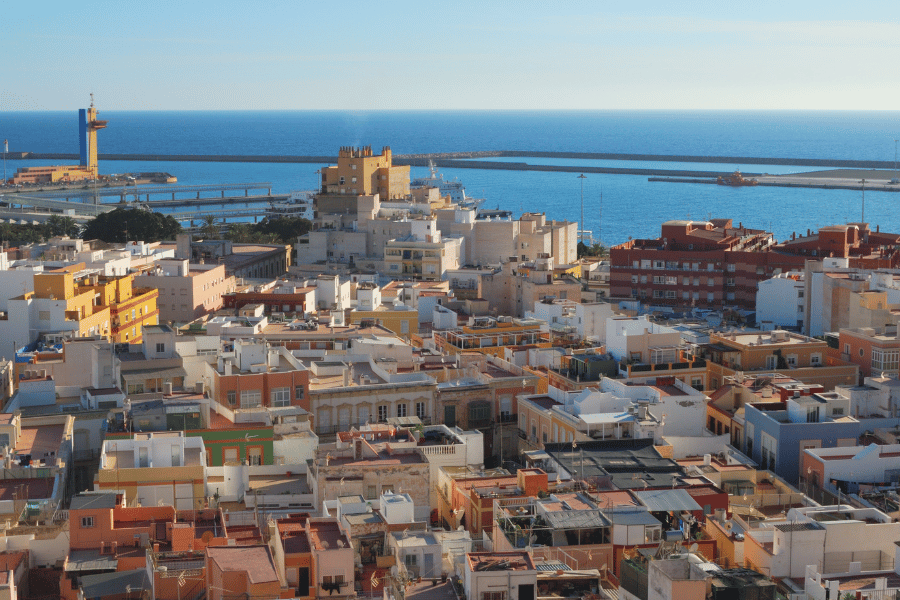
Almeria, Spain, is a gem in the southeast corner of Andalusia. Known for its sun-soaked coastline, fascinating history, and dramatic desert landscapes, it’s a destination that promises a mix of culture, adventure, and relaxation. Whether you’re exploring Moorish architecture, hiking through unique terrain, or soaking up the Mediterranean vibes, Almería has something for everyone—including vegans! Here’s your ultimate guide to the 15 best things to do in Almería, plus where to stay and eat vegan.
Your Perfect Trip to Almeria Spain
Almería, located in the heart of southern Spain, is a city brimming with history, charm, and breathtaking landscapes. Known for its beautiful gardens, stunning city beaches, and the towering Alcazaba de Almería, this vibrant city offers a unique blend of architectural styles, from its Moorish fortresses to its industrial heritage. Almería is the perfect place for history buffs, nature lovers, and film enthusiasts alike. Fans of Spaghetti Westerns will recognize the area as a filming location for classic movies starring an icon like Clint Eastwood. Whether you’re strolling down La Rambla in the city center, visiting the Archaeological Museum, or exploring the defensive walls of the Alcazaba of Almería, the city offers a rich cultural experience that makes it worth visiting.
For those planning a road trip along the Mediterranean coast, Almería is an essential stop. With sunny days year-round and unspoilt beaches like Cabo de Gata, the province of Almería is perfect for those seeking both relaxation and adventure. Take a short walk to Cerro de San Cristóbal for panoramic views, or indulge in a soft drink or other beverage at a local café while enjoying the gentle breeze among the palm trees. For art lovers, the Cathedral of Almería and the Archaeological Museum are great spots to admire the city’s rich history. And don’t forget to stop by a souvenir shop for a bottle of locally produced olive oil as you explore this popular tourist destination. Whether you’re here for the city’s architectural wonders, the best beaches, or simply to relax, Almería offers a great way to experience the charm of southern Spain.
Short history about Almeria
Almería, located in southeastern Spain, boasts a rich and varied history shaped by its strategic coastal location and diverse cultural influences.
Ancient Beginnings
- Prehistoric Era: Evidence of early human settlements, such as those in the nearby Los Millares archaeological site (dating back to 3200–2200 BCE), highlights Almería’s long-standing significance.
- Phoenicians and Carthaginians: These ancient maritime traders established colonies in the region to capitalize on its natural resources and strategic position.
Roman Rule
During Roman times, the area was known as Portus Magnus, serving as an important harbor for trade and commerce along the Mediterranean.
Islamic Period (8th–15th Century)
- Foundation: The city of Almería as we know it today was founded in 955 CE by Abd al-Rahman III of the Umayyad Caliphate. It became a crucial port for the Islamic kingdom of Al-Andalus.
- Economic Powerhouse: Almería thrived as a center for silk production and trade, connecting Europe, Africa, and the Middle East.
- The Alcazaba: Built during this period, this massive fortress remains one of the city’s most iconic landmarks.
Christian Reconquest
- In 1489, Almería fell to the Catholic Monarchs, Ferdinand and Isabella, during the Reconquista. The city’s fortunes declined under Christian rule as its trade networks diminished.
Modern Era
- 16th–19th Century: Almería suffered from pirate attacks, earthquakes, and economic stagnation, but it began to recover in the late 19th century with the growth of agriculture and mining.
- Spanish Civil War: Almería played a role during the war, and its underground shelters provided protection for residents during air raids.
Today
Almería is a vibrant city known for its Moorish architecture, stunning natural landscapes, and a unique desert environment. It’s also a gateway to Cabo de Gata-Níjar Natural Park, a UNESCO Biosphere Reserve. The city has embraced its history while offering modern amenities and attractions, making it a fascinating blend of old and new.
How to get to Almeria
Getting to Almería, Spain, is relatively easy, with multiple travel options depending on your starting point and budget. Here’s a breakdown of the most common ways to reach this sun-soaked Andalusian destination:
1. By Air
Almería Airport (LEI) serves the city and is located about 9 km (5.5 miles) from the city center.
- From Europe:
Almería Airport offers direct flights from major European cities, such as London, Brussels, and Madrid, especially during the summer. Budget airlines like Ryanair and easyJet frequently operate seasonal routes. - From Other Cities in Spain:
Flights from Madrid, Barcelona, and Seville are available year-round and are often operated by Iberia and Vueling.
How to Get from Almería Airport to the City Center:
- Bus: Line 30 connects the airport to the city center in about 35 minutes.
- Taxi: A ride takes around 15 minutes and costs approximately €15–20.
- Car Rental: Ideal for exploring nearby natural parks and beaches.
2. By Train
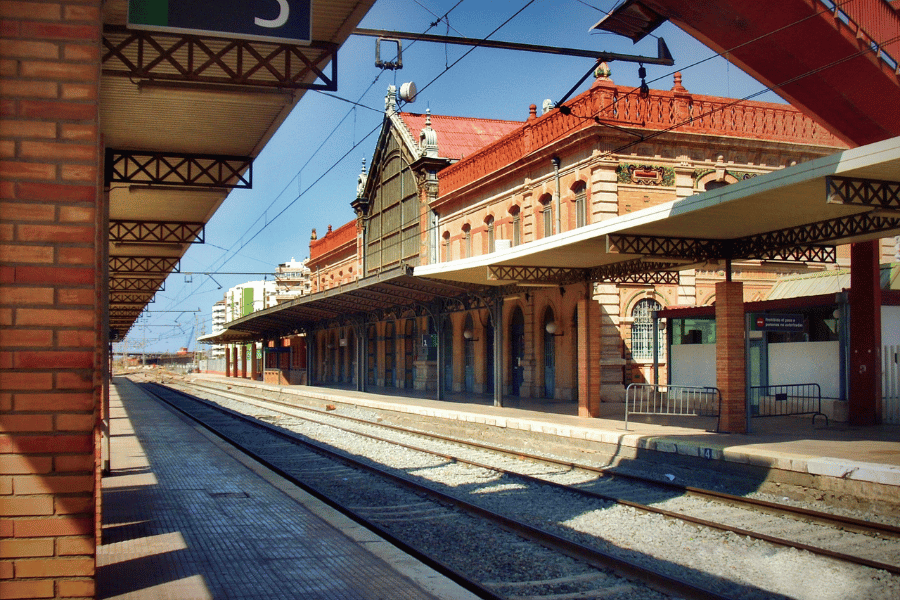
- From Madrid: A direct Alvia train connects Madrid to Almería in about 6.5 hours.
- From Granada: A regional train covers this route in approximately 2 hours.
- From Barcelona: The train journey is longer (approximately 10–12 hours) but offers scenic views.
Pro Tip: For longer journeys, opt for a night train to save on accommodation and make the trip more efficient.
3. By Bus
Spain’s extensive bus network makes reaching Almería convenient and affordable. Major operators like ALSA offer routes to and from Almería. Buy tickets ahead of time using this link.
- From Madrid: Approximately 6–7 hours.
- From Granada: 2–3 hours.
- From Malaga: About 4 hours.
Buses are equipped with Wi-Fi and comfortable seating, making them a popular choice for budget travelers.
4. By Car
Driving to Almería is an excellent option if you want to explore the surrounding region at your own pace.
- From Madrid: Approximately 5.5 hours via the A-4 and A-92 highways.
- From Malaga: About 2.5 hours along the coastal A-7 highway.
- From Valencia: A 5-hour drive, also on the A-7.
Parking: The city center has public parking areas, and many hotels offer private parking for guests.
5. By Ferry
If you’re coming from North Africa or other Mediterranean locations, Almería’s port serves as a hub for ferries:
- From Morocco: Regular ferries connect Almería with Nador and Melilla.
- Duration: Trips range from 6 to 9 hours, depending on the destination and ferry type.
6. By Bike or Foot
For adventurous travelers on a pilgrimage or exploring the Camino Mozárabe, Almería is a stop on some cycling and walking routes through Andalusia.
Local Transportation in Almería
- Buses: A reliable local bus network operates throughout the city and to nearby attractions like Cabo de Gata.
- Taxis: Readily available and affordable for short distances.
- Bikes: Bike rentals are a fantastic way to explore the city’s coastline and natural parks.
No matter how you arrive, Almería’s rich history, stunning landscapes, and laid-back atmosphere will make the journey worth it!
How to Get Around Almeria
Getting around Almería is simple and enjoyable, thanks to its compact city layout and well-connected transportation options. Here’s how to make the most of your visit:
1. Walking
Almería’s city center is pedestrian-friendly, making walking the easiest and most scenic way to explore:
- Landmarks like the Alcazaba, Cathedral of Almería, and Paseo de Almería are within walking distance of each other.
- The Old Town’s narrow streets and charming plazas are best explored on foot.
2. Public Buses
Almería has an efficient and affordable bus system operated by Surbus.
- Routes: Cover the city and nearby areas, including beaches like Playa de las Salinas and attractions such as Cabo de Gata-Níjar Natural Park.
- Tickets:
- Single rides cost around €1.05 and can be purchased onboard.
- Rechargeable cards offer discounts and are available at kiosks or Surbus offices.
- Schedules: Buses run frequently, but service can be limited during siesta hours (2–5 PM).
3. Taxis
Taxis are readily available in Almería and are a convenient way to travel short distances or during late hours.
- Rates:
- The base fare starts at around €4, with additional charges per kilometer.
- Expect slightly higher rates at night or on holidays.
- Taxi Stands: Found near key locations like the bus station, train station, and Paseo de Almería.
- Apps: Apps like PideTaxi and Cabify operate in Almería for easy booking.
4. Car Rental
Renting a car is the best way to explore the region’s natural beauty and nearby attractions. Click here for our affiliate link to Discover Cars, our favorite rental aggregator.
- Recommended for: Visiting Cabo de Gata, Tabernas Desert, and coastal villages like Mojácar.
- Rental Options: Available at Almería Airport, train station, and city center.
- Driving Tips:
- Parking in the city center can be limited; look for public or hotel parking.
- Roads in the region are well-maintained, but some rural routes may be narrow or unpaved.
5. Cycling
Biking is an eco-friendly and active way to explore the city and its surroundings.
- Bike Rentals: Available at shops and some hotels.
- Bike Lanes: Almería has a growing network of bike-friendly paths, especially along the coastline.
- Recommended Rides:
- The Cabo de Gata area offers scenic routes.
- The coastal path from Playa de San Miguel to Playa de las Salinas is ideal for a leisurely ride.
6. Scooters and E-Bikes
Electric scooters and bikes are a fun and efficient option for getting around.
- Where to Rent: Look for rental shops or app-based services in the city center.
- Cost: Rates start at around €5/hour, with discounts for longer rentals.
7. Regional Buses for Day Trips
If you’re heading outside the city to places like Roquetas de Mar, Mojácar, or Granada, regional buses operated by ALSA are a convenient choice.
- Tickets: Book in advance online or at the bus station.
8. Guided Tours and Shuttles
- Join guided tours or private shuttles for a hassle-free way to see top attractions like Tabernas Desert or Cabo de Gata Natural Park. Many include transportation, saving you the effort of planning.
Pro Tips for Getting Around Almería
- Time Your Travel: Public transport operates less frequently during siesta hours (2–5 PM) and on Sundays.
- Stay Central: Choosing accommodation in the city center reduces the need for extensive transport.
- Pack Comfortable Shoes: Almería’s historic sites and natural beauty are best explored on foot!
Whether you prefer walking, cycling, or taking public transport, navigating Almería is straightforward and filled with picturesque moments.
Top 15 Things to Do in Almería
1. Visit the Alcazaba of Almería
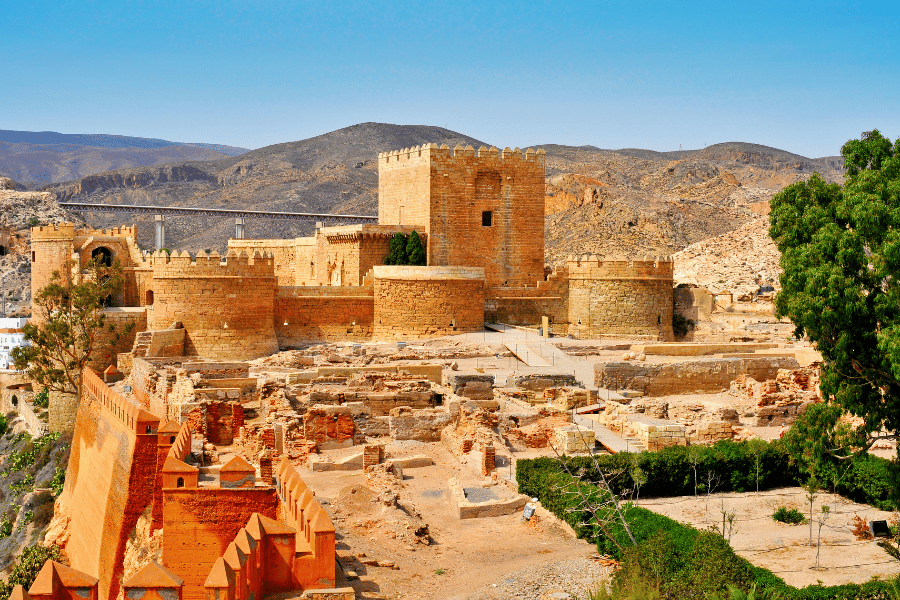
The Alcazaba of Almeria is a majestic Moorish fortress that stands as one of Spain’s largest and most impressive citadels. Built in the 10th century by Abd al-Rahman III, it served as both a defensive stronghold and a royal residence during the Islamic era. The complex features expansive walls, lush gardens, and stunning panoramic views of the city and the Mediterranean. Its layered history, including later Christian additions, makes it a captivating site for history buffs and photographers alike. Strolling through its ancient grounds offers a journey through Almería’s rich past.
2. Stroll Along Paseo de Almería
The Paseo de Almeria is the vibrant heart of the city, a bustling boulevard perfect for a stroll. Lined with chic boutiques, historic buildings, and charming cafés, it’s the ideal spot to soak up Almería’s lively atmosphere. Whether you’re shopping, people-watching, or enjoying a coffee at a terrace, the Paseo offers a delightful mix of modern energy and traditional Andalusian charm. It’s a must-visit for anyone looking to experience the pulse of the city.
3. Relax at Playa de los Genoveses
Playa de los Genoveses is a stunning crescent-shaped beach nestled within the pristine Cabo de Gata-Níjar Natural Park. Its golden sands, clear turquoise waters, and untouched surroundings make it a peaceful escape from the bustle of city life. With no development in sight, it’s a perfect spot to swim, sunbathe, or simply relax amid breathtaking natural beauty. A favorite among locals and travelers, it’s a true gem for those seeking tranquility in Almería.
4. Explore Cabo de Gata-Níjar Natural Park
The Cabo de Gata-Níjar Natural Park is a breathtaking haven of rugged cliffs, volcanic landscapes, and sparkling turquoise waters. As Spain’s largest coastal protected area, it offers a unique mix of pristine beaches, picturesque villages, and dramatic desert scenery. Visitors can hike, bike, or kayak to discover hidden coves, wildlife, and stunning viewpoints like the iconic Faro de Cabo de Gata lighthouse. This UNESCO Biosphere Reserve is a must-see for nature lovers and adventure seekers.
5. Take a Walk Through Almería’s Old Town
Wandering through Almería’s Old Town is like stepping back in time. Its narrow streets are lined with colorful facades, hidden courtyards, and lively squares, offering a charming mix of Moorish and Andalusian influences. Highlights include the Cathedral of Almeria, a unique fortress-cathedral, and the bustling Plaza Vieja. The area is perfect for discovering local artisan shops, cozy cafés, and a glimpse into the city’s rich history and culture.
6. Step Into Western Film History at Tabernas Desert
The Tabernas Desert, Europe’s only true desert, is a cinematic treasure trove and a must-visit for film enthusiasts. Its dramatic, arid landscapes have served as the backdrop for countless Westerns, including classics like The Good, the Bad and the Ugly. Visitors can explore iconic film sets at attractions like Mini Hollywood or take a guided tour to learn about the area’s Hollywood history. The unique scenery and cultural ties make it a fascinating day trip from Almería.
7. Discover Almería’s Underground Shelters
The Underground Shelters of Almería, built during the Spanish Civil War, offer a fascinating glimpse into the city’s history. Spanning over 4 kilometers beneath the streets, these shelters protected thousands of residents from air raids. Now a museum, visitors can explore the preserved tunnels, learn about life during wartime, and view artifacts from the era. This unique attraction combines history, resilience, and a touch of mystery, making it a compelling stop in Almería.
8. Marvel at the Almería Museum
The Almería Museum is a cultural gem that showcases the region’s rich history through its impressive archaeological collections. From prehistoric artifacts of the Los Millares civilization to treasures of the Islamic era, the exhibits offer a journey through time. Modern displays and interactive elements make the museum engaging for all ages. It’s an ideal stop for history enthusiasts and anyone wanting to deepen their understanding of Almería’s fascinating past.
9. Tour the Castillo de Santa Ana
The Castillo de Santa Ana, located in the nearby town of Roquetas de Mar, is a beautifully restored fortress with stunning coastal views. Originally built in the 16th century to defend against pirate attacks, the castle now houses art exhibitions and cultural events. Visitors can explore its historic walls, enjoy panoramic vistas of the Mediterranean, and immerse themselves in its blend of history and modern creativity. It’s a serene and scenic outing just a short drive from Almería.
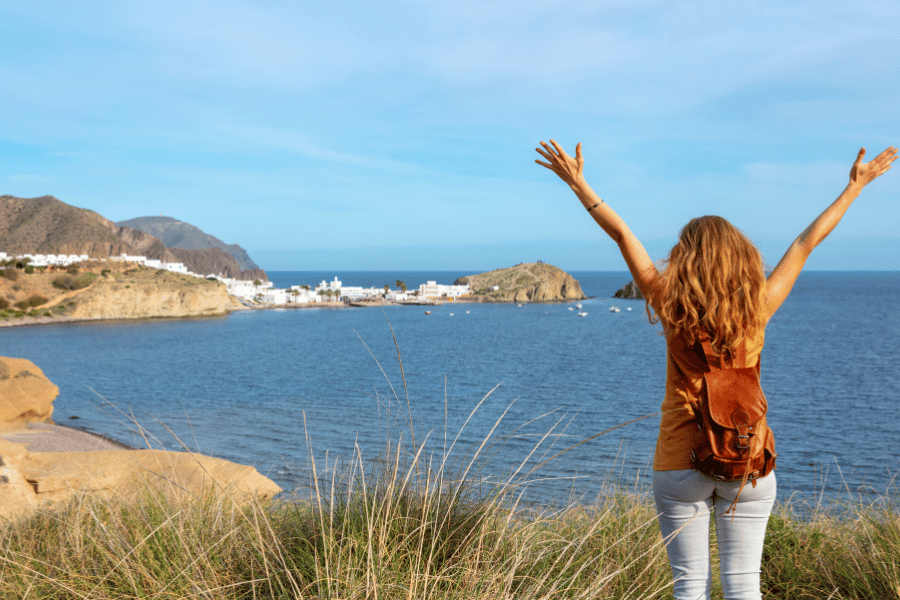
10. Visit La Isleta del Moro
La Isleta del Moro is a quaint fishing village nestled within the Cabo de Gata-Níjar Natural Park, offering a tranquil escape and a glimpse of traditional coastal life. Its picturesque whitewashed houses, rocky coastline, and serene waters create a postcard-perfect setting. Visitors can enjoy fresh seafood-inspired vegan dishes, take a peaceful stroll along the shore, or simply relax while soaking in the stunning views of the Mediterranean. It’s a charming spot to unwind and connect with nature.
11. Discover the Magic of Las Negras
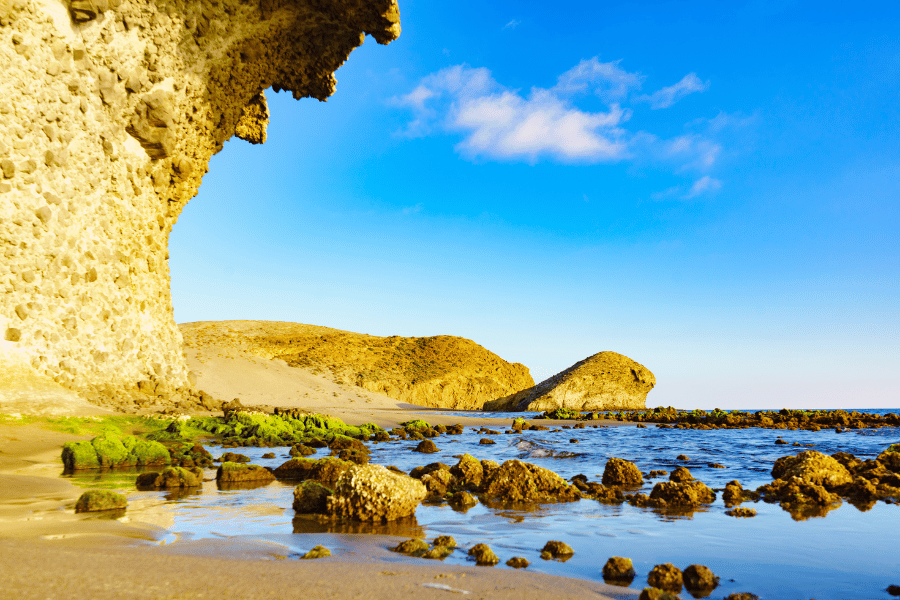
The bohemian village of Las Negras, tucked within the Cabo de Gata-Níjar Natural Park, is a vibrant seaside retreat with a laid-back atmosphere. Known for its dramatic volcanic cliffs and tranquil bay, it’s a haven for artists, nature lovers, and those seeking serenity. Visitors can explore local artisan shops, enjoy scenic hikes, or relax on the pebble beach while soaking in the stunning surroundings. Its unique charm makes Las Negras a must-visit gem in Almería.
12. Explore Almería’s Tapas Scene
Almería’s tapas scene is a culinary adventure, and vegan travelers will be delighted by the growing number of plant-based options. Many traditional bars now offer creative vegan versions of classic tapas, such as patatas bravas, grilled vegetables, or local olives. Trendy spots like Casa Puga or La Mala cater to diverse tastes, ensuring a flavorful experience. Enjoy the city’s vibrant food culture while savoring complimentary tapas with a drink, a unique Almería tradition!
13. Hike the Route of the Volcanoes
The Route of the Volcanoes in the Cabo de Gata-Níjar Natural Park offers a thrilling hike through ancient volcanic landscapes. This trail showcases dramatic cliffs, black sand beaches, and panoramic views of the Mediterranean. Along the way, hikers encounter unique flora, fauna, and geological formations that highlight the park’s volcanic origins. Whether you’re an avid trekker or a casual walker, this unforgettable route is a must for nature enthusiasts visiting Almería.
14. Day Trip to Mojácar
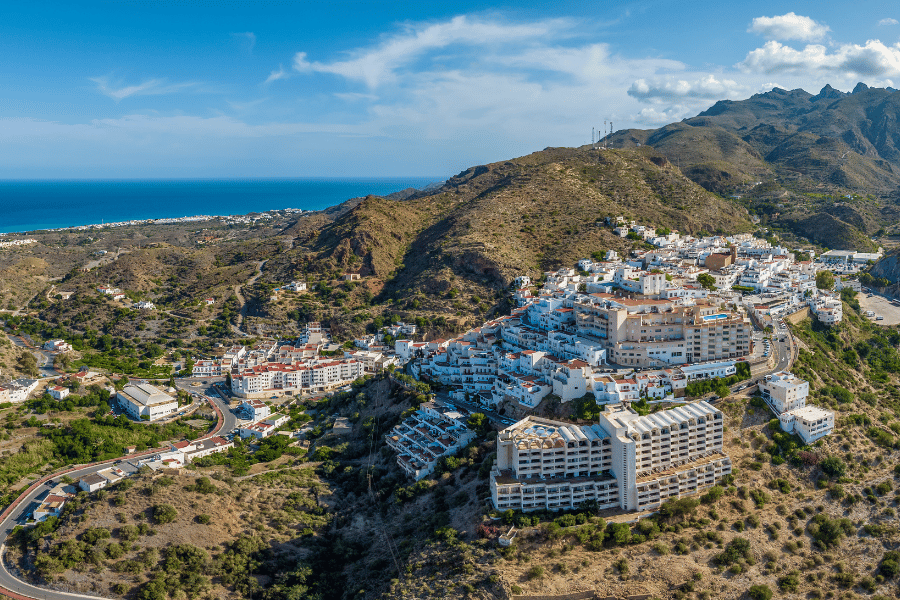
A day trip to Mojácar is a perfect way to explore one of Almería’s most picturesque villages. Perched on a hill with whitewashed buildings cascading down to the Mediterranean, Mojácar exudes charm and history. Wander through its narrow streets, visit the charming Mojácar Castle, and enjoy stunning views of the coastline. The village also offers beautiful beaches and a vibrant atmosphere, with plenty of opportunities to indulge in delicious vegan-friendly meals at local restaurants. It’s a delightful escape just a short drive from Almería.
15. Attend a Flamenco Show
Attending a flamenco show in Almería is a captivating way to experience the region’s rich cultural heritage. The passionate dance, soulful guitar music, and intense rhythms will immerse you in the heart of Andalusian tradition. Venues like Los Picos and Tablao El Aljibe offer intimate settings where you can witness talented performers bring this art form to life. Whether in a traditional tablao or a lively festival, a flamenco show in Almería is a must-see for anyone seeking a taste of authentic Spanish culture.

Other fun things to do in Almería: Playa de los Muertos, Swimming in the Mediterranean Sea, Playa del Zapillo, Almeria Cathedral, Cerro San Cristobal, Barrio de la Chanca, Casa del Cine, Plaza de la Constitución, and other sandy beaches in the Almería province.
Where to Stay in Almería
- Luxury: Aire Hotel & Ancient Baths – Located in the heart of Almería, this boutique hotel combines modern comforts with a touch of history. Don’t miss the rooftop terrace with views of the Alcazaba.
- Mid-Range: Hotel Costasol – Centrally located with stylish rooms, this hotel is a great choice for exploring the city.
- Budget: Albergue Inturjoven Almería – Perfect for travelers on a budget, this hostel offers clean accommodations and a lively atmosphere.
Where to Eat Vegan in Almería
1. La Favorita
A cozy café with several vegan options, including sandwiches, salads, and plant-based milk for your coffee.
2. Il Brigantino
This Italian restaurant offers vegan pizza and pasta dishes made with fresh ingredients.
3. AlmaZen Orgánico
A health-food store with a small café serving vegan snacks, crepes, smoothies, and light meals.
4. Vegan-Friendly Tapas Bars
While many traditional tapas bars in Almería focus on meat and seafood, a few cater to vegans. Look for places like Casa Puga and ask about their vegetarian options—many can be made vegan upon request.
Best Time to Visit Almeria
The best time to visit Almería depends on what you’re looking to experience, but generally, spring (March to May) and fall (September to November) are ideal for pleasant weather and fewer crowds.
- Spring: Temperatures are mild and comfortable, perfect for outdoor activities like hiking in Cabo de Gata or exploring the city’s historic sites. The landscape also comes alive with wildflowers, making it an excellent time for nature lovers.
- Fall: With warm but not scorching temperatures, fall is perfect for enjoying Almería’s beaches and outdoor attractions without the summer crowds. It’s also the harvest season, so there are plenty of local festivals and fresh produce to enjoy.
- Summer (June to August): Almería is sunny and hot, with temperatures often exceeding 30°C (86°F). This is the best time for beach lovers, but it can be quite crowded and warm for sightseeing. If you love summer vibes, it’s a great time for coastal relaxation.
- Winter (December to February): Winters in Almería are mild compared to other parts of Spain, with temperatures averaging 15°C (59°F). While it’s not ideal for beach activities, it’s a quiet time to explore the city’s cultural sites and enjoy the peaceful atmosphere.
Overall, spring and fall offer the best combination of pleasant weather, outdoor activities, and fewer tourists.
Final Thoughts
Almería is a treasure trove of experiences waiting to be discovered. From its historical landmarks and natural wonders to its vibrant vegan dining scene, this Andalusian city is a perfect destination for mindful travelers. So pack your bags, grab your sunscreen, and prepare to fall in love with Almería!
Almería City is a great place to uncover the magic of a Spanish city that seamlessly blends history, nature, and cinematic allure. Whether you’re exploring the Alcazaba of Almería, admiring the glass windows of the Cathedral of Almería, or enjoying panoramic views from San Cristóbal Hill, the city of Almería offers countless great things to see and do. In recent years, it has become one of the top things to experience in the province of Almería, drawing travelers seeking both the charm of the Costa del Sol and the rugged beauty of Europe’s only desert. From the Western movie magic of Fort Bravo to relaxing at a family-friendly water park, Almería is worth exploring any time of year, even in the mild winter months. So, whether you’re following in the footsteps of icons like Brigitte Bardot, enjoying the natural wonders, or simply soaking in the atmosphere of this enchanting Spanish city, be sure to book tickets soon—Almería Spain is truly the best place for your next adventure!
What are you most excited to explore? Let us know in the comments!
This post contains affiliate links, which means I’ll receive a commission if you purchase through my link, at no extra cost to you.
We would be thrilled if you would use our Affiliate links attached here. If you buy something using our links, we receive a small commission. This helps us to continue creating amazing content on the blog for free. Thank you so much!
AFFILIATE LINKS – CLICK HERE
THE 5 ITEMS WE WERE SO HAPPY TO HAVE FOR ALL OF OUR TRIPS:
- Merrell women’s light hiking shoes – these are amazing because they are lightweight, but are extra grippy and helpful! I also have this pair that I always get compliments on: Merrell Rainbow shoes. Fernando loves his Asics trail runners which are also grippy and perfect for walking on cobblestone streets.
- Thermoflask water bottle – like a Hydroflask, but more affordable! We don’t go anywhere without these water bottles full of purified water.
- North Face Aphrodite 2.0 capris – Seriously, I wear these pants every.single.day! I couldn’t live without these ultra-comfy, lightweight pants that dry so quickly. They are 100% worth the money!
- Osprey Day Pack – this is an awesome lightweight backpack! We easily put the belongings we need at hand for traveling around the city and on public transportation.
- Travel-friendly chewable toothpaste tablets – these are so fantastic for keeping your teeth clean on the go!
OUR FAVORITE EUROPEAN SERVICES:
- DISCOVER CARS – If you want to rent a car while you’re in Spain, our favorite car rental aggregator is Discover Cars. We frequently rent cars and they always have the best prices and great quality vehicles.
- iTalki – if you want to learn some Spanish before traveling to Spain or while you’re there, we love iTalki. We highly recommend their language services.
- NORD VPN – perfect to use your technology in other countries!
- Airalo E-Sim – this let’s you use your phone anywhere in the world without having to get a physical sim! We use this all the time when we travel outside Europe!
RELATED POSTS:
22 Travel Hacks to Save Money While Traveling
Top 11 Travel Essentials to Pack


Leave a Reply